

Can a 350 cst Fluid be Used in Agricultural Machinery?
As a supplier of 350 cst fluid, I've often been asked whether this specific fluid can be effectively used in agricultural machinery. In this blog, I'll explore the characteristics of 350 cst fluid, the requirements of agricultural machinery, and evaluate the suitability of using 350 cst fluid in such equipment.
Understanding 350 cst Fluid
The term "350 cst" refers to the fluid's viscosity. Centistokes (cst) is a unit of kinematic viscosity, which measures a fluid's resistance to flow under the influence of gravity. A 350 cst fluid has a relatively moderate viscosity. This means it is neither too thin like water nor too thick like honey.

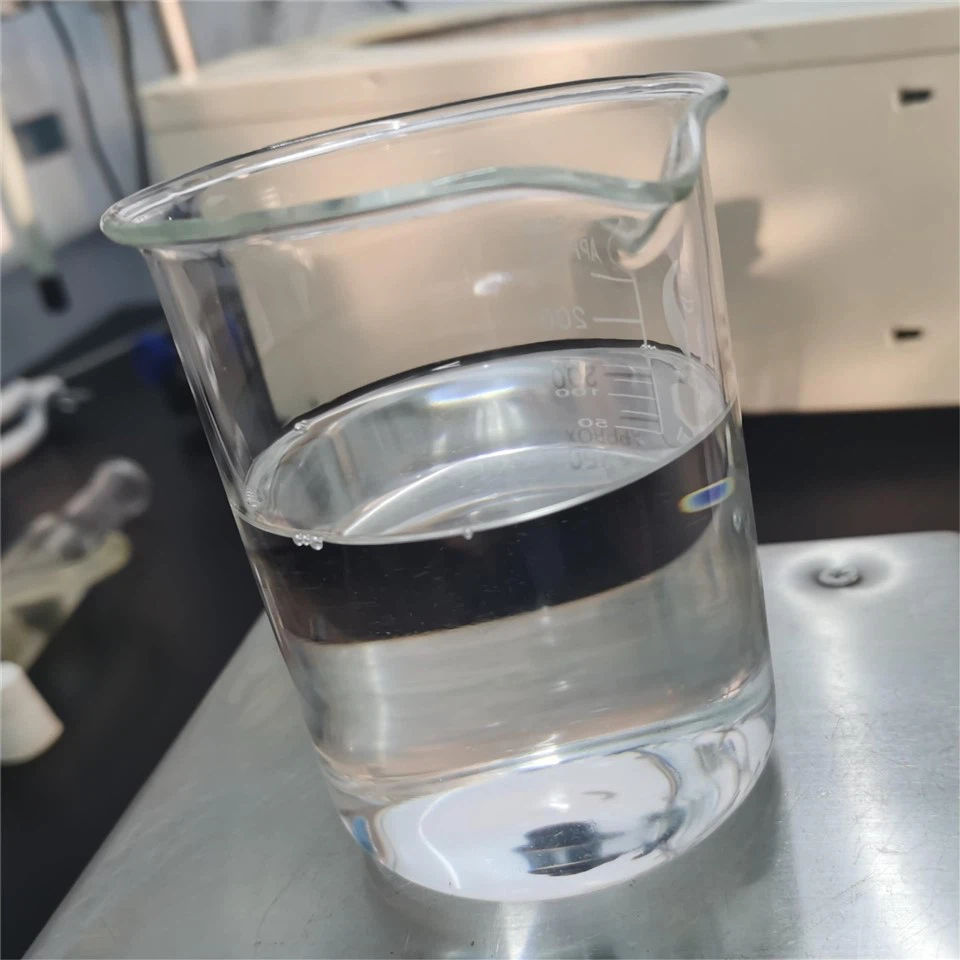
The 350 cst fluid we supply has several notable properties. It offers good lubrication due to its ability to form a protective film between moving parts. This film reduces friction and wear, which is crucial for the longevity of machinery components. Additionally, it has excellent thermal stability, meaning it can maintain its properties over a wide range of temperatures. This is particularly important in agricultural settings where machinery may be exposed to both hot summer days and cold winter nights.
Requirements of Agricultural Machinery
Agricultural machinery operates in diverse and often harsh environments. Tractors, combines, and other equipment are used for plowing, harvesting, and transporting heavy loads. These machines have various components such as engines, transmissions, hydraulic systems, and bearings that require proper lubrication and protection.
Engines in agricultural machinery need a lubricant that can withstand high temperatures and pressures. The combustion process generates a significant amount of heat, and the lubricant must prevent overheating and reduce wear on pistons, cylinders, and crankshafts. Transmissions, on the other hand, require a fluid that can transfer power efficiently while also protecting gears from damage. Hydraulic systems, which are used for functions like lifting and steering, need a fluid with good viscosity stability and anti - foaming properties to ensure smooth operation.
Suitability of 350 cst Fluid in Agricultural Machinery
Engine Applications
In some smaller agricultural engines, a 350 cst fluid can be a suitable lubricant. Its moderate viscosity allows it to flow easily to all parts of the engine during startup, ensuring quick lubrication. The protective film it forms helps reduce wear on engine components, especially in engines that operate at relatively lower speeds and loads. However, for larger, high - performance engines, a 350 cst fluid may not be sufficient. These engines generate higher temperatures and pressures, and they often require a fluid with a higher viscosity index and better extreme - pressure properties.
Transmission Systems
350 cst fluid can work well in certain types of transmissions, particularly those in light - duty agricultural equipment. It can provide the necessary lubrication for gears, reducing friction and noise. However, in heavy - duty transmissions that handle large torque loads, a fluid with a higher viscosity may be needed to prevent gear slippage and ensure smooth power transfer.
Hydraulic Systems
The suitability of 350 cst fluid in hydraulic systems depends on the specific requirements of the system. Some hydraulic systems in agricultural machinery are designed to operate with fluids of a certain viscosity range. If the system has relatively low - pressure and low - flow requirements, a 350 cst fluid can be used. It can provide good lubrication for hydraulic pumps, valves, and cylinders, and its anti - wear properties help extend the life of these components. However, high - pressure hydraulic systems may require a fluid with a more precise viscosity control to ensure accurate operation.
Comparing with Other Fluids
Let's compare the 350 cst fluid with some other common fluids in the market. 100 Dimethicone Oil has a lower viscosity of 100 cst. This fluid is very thin and is often used in applications where low - friction and high - flow are required. However, it may not provide sufficient lubrication for heavy - duty agricultural machinery components.
Dimethyl Silicone Oil 201 has different viscosity grades available. Depending on the specific grade, it can be used in a variety of applications. Some grades may be more suitable for electrical insulation or as a release agent, while others can be used in lubrication. Compared to our 350 cst fluid, the properties of Dimethyl Silicone Oil 201 need to be carefully evaluated based on the specific requirements of the agricultural machinery.
5000 Cst Dimethyl Silicone Oil has a much higher viscosity. This fluid is very thick and is typically used in applications where high - load and slow - moving components need lubrication. For example, it may be used in some large - scale industrial bearings. In agricultural machinery, it may be too thick for many engine and hydraulic applications, but it could be suitable for certain heavy - duty transmission or bearing applications.
Conclusion
In conclusion, a 350 cst fluid can be used in some agricultural machinery applications. Its moderate viscosity, good lubrication properties, and thermal stability make it a viable option for light - to medium - duty engines, certain types of transmissions, and some hydraulic systems. However, it's important to carefully assess the specific requirements of the machinery before using this fluid.
If you're an agricultural machinery operator or owner, and you're considering using our 350 cst fluid, I encourage you to contact us for more detailed information. We can provide technical support and guidance to help you determine if our fluid is the right choice for your equipment. Whether you need to lubricate an engine, transmission, or hydraulic system, we're here to assist you in making the best decision for the performance and longevity of your agricultural machinery.
References
- Engineering Handbook of Agricultural Machinery, various editions.
- Lubrication Technology for Agricultural Equipment, industry - specific research papers.
