

Can I reuse silicone sealant? This is a question that I, as a silicone sealant supplier, often encounter from customers. In this blog post, I'll delve into the topic, exploring the feasibility of reusing silicone sealant, the factors to consider, and the best practices.
Understanding Silicone Sealant
Before we discuss reusing silicone sealant, it's essential to understand what it is and how it works. Silicone sealant is a versatile material used in various applications, including construction, automotive, and household repairs. It forms a flexible, waterproof, and airtight seal, protecting against moisture, air, and dust. There are two main types of silicone sealant: Acid Silicone Sealant and Neutral Silicone Sealant. Acid silicone sealants are typically used for non - porous surfaces like glass and ceramic, while neutral silicone sealants are more suitable for sensitive materials such as marble and metal, as they don't release acidic by - products during curing.
The Feasibility of Reusing Silicone Sealant
In theory, reusing silicone sealant might seem like a cost - effective and environmentally friendly option. However, in practice, it's not as straightforward as it sounds.
Chemical Changes
Silicone sealant undergoes a chemical curing process when it's exposed to air. Once it has cured, it forms a solid, rubbery substance. This chemical change is irreversible, which means that once the sealant has hardened, it cannot be returned to its original liquid state for reuse. For example, if you have a tube of silicone sealant that has been partially used and left open for a while, the exposed sealant will start to cure. Even if you try to remove the cured part and use the remaining sealant, the chemical properties of the remaining sealant may have been affected by the curing process, leading to a weaker seal.
Contamination
During its initial use, silicone sealant can come into contact with various contaminants such as dust, dirt, and moisture. These contaminants can mix with the sealant, altering its composition and performance. For instance, if you use silicone sealant to seal a window and then try to reuse it later, the sealant may have picked up dust and debris from the window frame. Reusing this contaminated sealant can result in a poor - quality seal that is more prone to leaks and failures.
Adhesion and Bonding
The effectiveness of silicone sealant depends on its ability to adhere to the surfaces it's applied to. Once the sealant has been used and removed from a surface, its adhesive properties may be compromised. The surface may also have residues or contaminants that can prevent the sealant from bonding properly on subsequent applications. For example, if you remove a silicone sealant from a bathtub and try to reuse it on a different surface, the sealant may not bond as strongly as it would with fresh sealant.
Situations Where Reusing Might Seem Possible
There are a few situations where reusing silicone sealant might seem like a viable option, but they still come with limitations.
Unused Portions in a Tube
If you have a tube of silicone sealant that has only been partially used and the nozzle has been properly capped to prevent air from entering, you can use the remaining sealant in the tube for another project. However, you need to ensure that the sealant has not started to cure. Check the consistency of the sealant; if it's still in a smooth, liquid state, it should be okay to use. But keep in mind that the shelf life of an opened tube of silicone sealant is usually shorter than an unopened one.
Scraped - off Sealant for Temporary Fixes
In some cases, you might scrape off some silicone sealant during a repair or removal process. While this scraped - off sealant is already cured, you could potentially use it for very minor and temporary fixes. For example, you could use a small piece of scraped - off sealant to plug a tiny hole or crack temporarily until you can get fresh sealant. However, this is only a short - term solution and not a substitute for proper sealing with fresh sealant.
Best Practices for Using Silicone Sealant
Since reusing silicone sealant is generally not recommended, here are some best practices for using it effectively:
Proper Storage
Store your silicone sealant in a cool, dry place away from direct sunlight. Keep the tubes tightly capped to prevent air from entering and causing premature curing. This will help extend the shelf life of the sealant and ensure its performance when you're ready to use it.
Correct Application
Follow the manufacturer's instructions carefully when applying silicone sealant. Clean and dry the surfaces thoroughly before application to ensure good adhesion. Use the right tools, such as a caulking gun, to apply the sealant evenly and smoothly. Apply the sealant in a continuous bead, and use a tool like a putty knife to smooth it out for a neat finish.
Use the Right Amount
Measure the area you need to seal accurately and use the appropriate amount of sealant. Over - applying sealant can be wasteful, while under - applying can result in a poor seal. This will not only save you money but also ensure the quality of the seal.
The Importance of Using Fresh Silicone Sealant
Using fresh silicone sealant is crucial for ensuring the long - term performance and reliability of your seals.
Durability
Fresh silicone sealant provides a strong and durable seal that can withstand the test of time. It has better adhesion, flexibility, and resistance to environmental factors such as temperature changes and moisture. For example, when you use fresh sealant to seal a bathroom shower, it can prevent water from leaking into the walls and causing mold and mildew growth. A seal made with fresh sealant can last for several years, while a seal made with reused or compromised sealant may fail much sooner.
Safety
In some applications, such as in the automotive or construction industries, the quality of the silicone sealant can have safety implications. For instance, in automotive applications, a proper seal is necessary to prevent leaks of fluids such as coolant and oil. Using fresh sealant ensures that the seal meets the required safety standards and reduces the risk of accidents or malfunctions.
Conclusion
In conclusion, while the idea of reusing silicone sealant may seem appealing from a cost - saving and environmental perspective, it's generally not advisable due to the chemical changes, contamination, and compromised adhesion that occur during its initial use. However, if you have an unopened or properly capped tube of partially used sealant, you can use the remaining sealant as long as it's still in good condition.
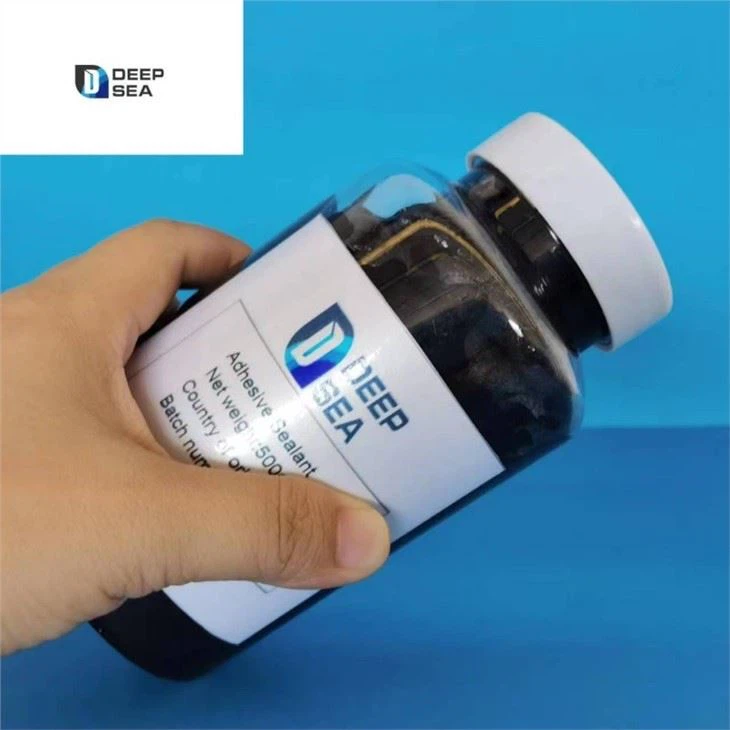

As a silicone sealant supplier, I recommend using fresh sealant for all your sealing needs to ensure the best results. If you have any questions about choosing the right silicone sealant for your project, feel free to reach out to me. We offer a wide range of high - quality Acid Silicone Sealant and Neutral Silicone Sealant products that are suitable for various applications. Whether you're a DIY enthusiast or a professional contractor, we can provide you with the right sealant for your project. Contact us to discuss your requirements and start your sealing project with confidence.
References
- Silicone Sealant Technical Manuals from leading manufacturers
- Industry research on the performance and properties of silicone sealants
- Case studies on the failures of reused silicone sealants in real - world applications
