

Can silicone emulsion be used in the automotive coating industry?
In the dynamic and innovative automotive coating industry, the pursuit of high - performance, durable, and aesthetically pleasing coatings is unceasing. Silicone emulsion has gradually emerged as a material worthy of in - depth exploration due to its unique properties. As a silicone emulsion supplier, I am excited to share insights on whether silicone emulsion can be effectively used in the automotive coating industry.
Properties of Silicone Emulsion
Silicone emulsion is a multi - faceted material with a wide range of beneficial characteristics. First and foremost, it offers outstanding water - repellency. This property is crucial in automotive applications as it helps protect the car's exterior from water damage, such as rust and corrosion. When incorporated into automotive coatings, silicone emulsion forms a thin, hydrophobic layer on the surface of the car, preventing water from adhering and penetrating the coating.

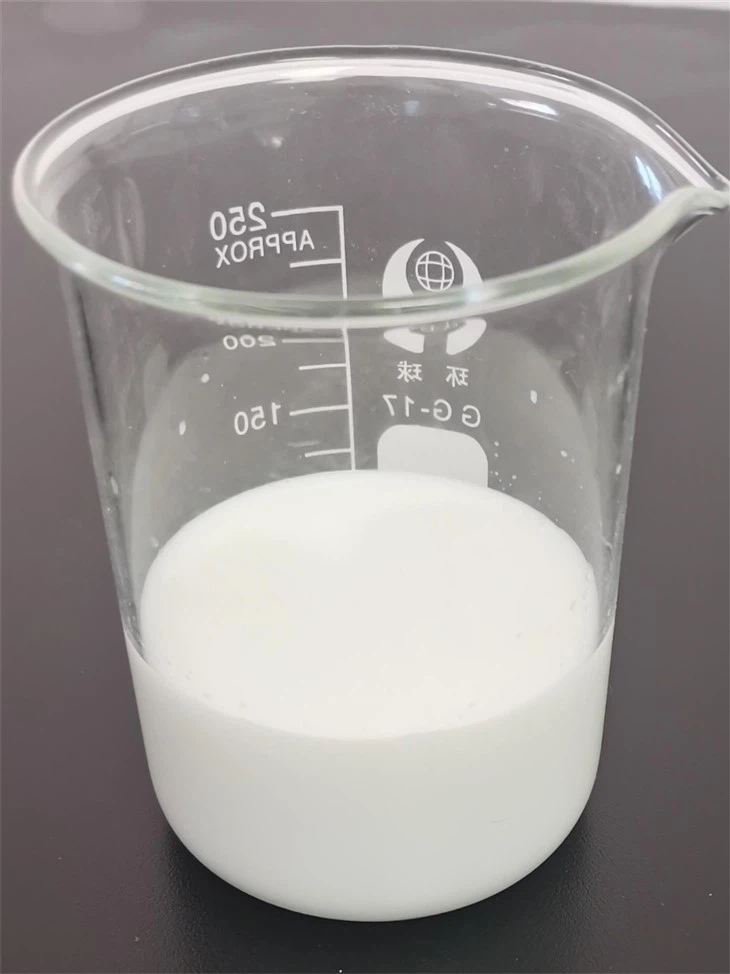
Another remarkable property is its high - temperature resistance. Automotive engines and exhaust systems generate a significant amount of heat. Coatings that can withstand high temperatures are essential to maintain the integrity of the paint job. Silicone emulsion has excellent thermal stability, allowing it to resist degradation even under extreme heat conditions. This ensures that the automotive coating remains intact and does not lose its functionality or appearance over time.
Silicone emulsion also provides good chemical resistance. It can resist the effects of various chemicals, including acids, alkalis, and solvents. In the automotive environment, cars are often exposed to road salts, industrial pollutants, and cleaning agents. A coating with good chemical resistance can protect the car's surface from damage caused by these substances, prolonging the lifespan of the coating and the vehicle itself.
Applications in Automotive Coatings
One of the primary applications of silicone emulsion in the automotive coating industry is in clear coats. Clear coats are applied on top of the base color coat to provide a glossy, protective finish. By adding silicone emulsion to the clear coat formulation, manufacturers can enhance the scratch resistance of the coating. The silicone molecules in the emulsion act as a lubricant, reducing the friction between the coating surface and external objects. This makes it more difficult for scratches to form, keeping the car's finish looking new for longer.
Silicone emulsion can also be used in primer coatings. Primers are used to improve the adhesion of the top - coat to the car's surface and to provide corrosion protection. The water - repellent and chemical - resistant properties of silicone emulsion make it an ideal additive for primers. It can help prevent moisture from reaching the metal surface of the car, reducing the risk of rust and corrosion. Additionally, the improved adhesion provided by the silicone emulsion ensures that the primer and subsequent top - coats adhere firmly to the car, enhancing the overall durability of the coating system.
In addition to clear coats and primers, silicone emulsion can be used in special - effect coatings. For example, it can be used to create a matte or satin finish. By adjusting the concentration and type of silicone emulsion in the coating formulation, manufacturers can achieve different levels of gloss and texture. This allows for greater customization in automotive design, meeting the diverse aesthetic preferences of consumers.
Types of Silicone Emulsion for Automotive Coatings
There are several types of silicone emulsion that are suitable for use in the automotive coating industry. One such type is the Oil - in - water Emulsion (O/W). Oil - in - water emulsions are environmentally friendly as they have a low volatile organic compound (VOC) content. They are easy to handle and can be easily incorporated into water - based coating formulations. These emulsions offer good stability and can provide excellent water - repellency and gloss control in automotive coatings.
Hydrogenated Silicone Oil Emulsion is another option. Hydrogenated silicone oil emulsions have enhanced thermal stability and chemical resistance compared to some other types of silicone emulsions. They are particularly suitable for applications where the coating will be exposed to high temperatures and harsh chemical environments, such as under - the - hood coatings in cars.
Hydrogen Containing Silicone Oil Emulsion is also used in automotive coatings. These emulsions can react with other components in the coating formulation to form a cross - linked network, which improves the mechanical properties of the coating, such as hardness and flexibility. This type of silicone emulsion can be used to create high - performance coatings that can withstand the rigors of automotive use.
Challenges and Considerations
While silicone emulsion offers many benefits for the automotive coating industry, there are also some challenges and considerations. One of the main challenges is the compatibility of silicone emulsion with other coating components. Silicone has a low surface energy, which can sometimes cause problems with wetting and adhesion when combined with other polymers in the coating formulation. Manufacturers need to carefully select the appropriate silicone emulsion and adjust the formulation to ensure good compatibility and optimal performance.
Another consideration is the cost. Silicone emulsion can be more expensive than some traditional coating additives. However, the long - term benefits, such as improved durability and reduced maintenance costs, often outweigh the initial investment. Automotive manufacturers need to weigh the cost - benefit ratio when deciding whether to use silicone emulsion in their coating formulations.
Conclusion
In conclusion, silicone emulsion has great potential for use in the automotive coating industry. Its unique properties, such as water - repellency, high - temperature resistance, and chemical resistance, make it a valuable additive for automotive coatings. It can be used in clear coats, primers, and special - effect coatings to enhance the performance and appearance of the coating. Although there are some challenges and considerations, with proper formulation and application, silicone emulsion can significantly improve the quality and lifespan of automotive coatings.
If you are in the automotive coating industry and are interested in exploring the use of silicone emulsion in your products, I encourage you to contact us for more information. We are a leading silicone emulsion supplier with extensive experience and expertise in providing high - quality silicone emulsion products. Our team of experts can work with you to find the most suitable silicone emulsion for your specific coating requirements and help you achieve the best results.
References
- Smith, J. (2018). Advances in Automotive Coating Technology. Journal of Coating Science and Technology, 25(3), 123 - 135.
- Johnson, A. (2019). The Role of Silicone Additives in High - Performance Coatings. Coatings World, 32(2), 45 - 52.
- Brown, C. (2020). Automotive Coating Materials: A Review. International Journal of Automotive Engineering, 15(4), 201 - 215.
