

Hey there! As a supplier of 1000 cst silicone oil, I've seen firsthand how important it is to keep this stuff in top - notch condition. 1000 cst silicone oil is super versatile. You can find it in all sorts of industries, from cosmetics to industrial lubrication. But here's the deal: over time, this oil can degrade, and that's not good news for anyone. So, let's dive into how we can prevent that from happening.
Understanding the Basics of Silicone Oil Degradation
First off, we need to know what causes the degradation of 1000 cst silicone oil. There are a few main culprits here. One of the big ones is oxidation. When silicone oil is exposed to oxygen, especially at high temperatures, it can start to break down. The oxygen reacts with the silicone molecules, causing changes in its chemical structure. This can lead to an increase in viscosity, which means the oil gets thicker and doesn't flow as well.
Another factor is contamination. If the oil gets mixed with other substances, like dust, dirt, or even water, it can mess things up. Contaminants can act as catalysts for chemical reactions within the oil, speeding up the degradation process. For example, water can cause hydrolysis of the silicone bonds, which is a major no - no.
Mechanical stress can also play a role. If the oil is constantly being sheared or squeezed in a high - pressure environment, it can cause the silicone chains to break. This is often seen in applications where the oil is used as a lubricant in high - stress machinery.
Storage Best Practices
Now that we know what causes degradation, let's talk about how to store 1000 cst silicone oil properly. First, you want to keep it in a cool, dry place. A temperature - controlled environment is ideal. High temperatures can accelerate oxidation, so try to keep the storage area below 25°C (77°F) if possible.
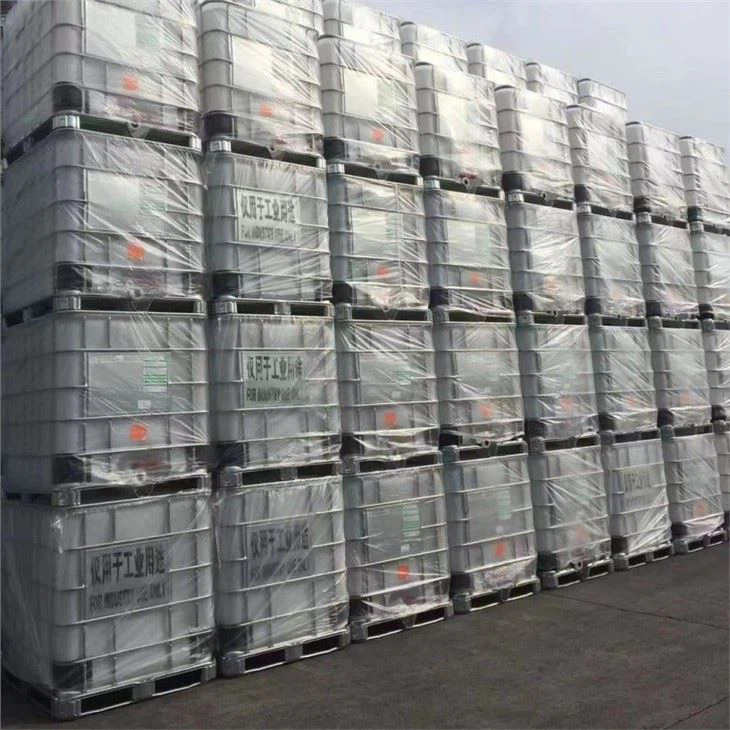
It's also important to store the oil in airtight containers. This helps to minimize its exposure to oxygen. You can use sealed drums or bottles made of materials that are compatible with silicone oil, like stainless steel or certain types of plastics. Make sure the containers are clean before you fill them with the oil to avoid contamination.
If you're storing the oil for a long time, it's a good idea to check on it periodically. Look for any signs of sedimentation, discoloration, or changes in viscosity. If you notice anything off, it might be time to take action.
Handling and Usage Precautions
When you're handling 1000 cst silicone oil, you need to be careful. Always use clean equipment. Transfer the oil using clean funnels, pumps, or hoses. Make sure these tools are free of any debris or other chemicals that could contaminate the oil.
During usage, try to avoid overheating the oil. In applications where the oil is used in a heating system, make sure you have proper temperature controls in place. Keep an eye on the temperature gauges and don't let the oil get too hot.
If the oil is being used in a mechanical system, make sure the equipment is well - maintained. Regularly check for any signs of wear and tear, and replace any parts that might be causing excessive mechanical stress on the oil.
Additives to the Rescue
Sometimes, adding certain additives to 1000 cst silicone oil can help prevent degradation. Antioxidants are a popular choice. They work by reacting with the oxygen before it can react with the silicone molecules. This slows down the oxidation process and extends the life of the oil.
There are also anti - foam agents. Foaming can be a problem in some applications, especially when the oil is being agitated. Foam can trap air, which increases the oil's exposure to oxygen and can lead to oxidation. Anti - foam agents help to break up the foam and keep the oil in a more stable state.
Corrosion inhibitors can be useful too, especially if the oil is being used in a system where it might come into contact with metal parts. They form a protective layer on the metal surface, preventing the oil from reacting with the metal and causing corrosion.
Comparing Different Viscosities
It's worth noting that different viscosities of silicone oil, like 500 Cst Dimethyl Silicone Oil, 1000 Cst Dimethyl Silicone Oil, and 10000 Cst Dimethyl Silicone Oil, might have slightly different degradation characteristics. Lower - viscosity oils like the 500 cst tend to be more fluid and may be more prone to evaporation, while higher - viscosity oils like the 10000 cst are thicker and may be more resistant to mechanical stress but more likely to have issues with heat transfer. Understanding these differences can help you choose the right oil for your application and take appropriate steps to prevent degradation.
Regular Testing and Monitoring
To really stay on top of the condition of your 1000 cst silicone oil, regular testing and monitoring are essential. You can do simple visual inspections to look for signs of discoloration, sediment, or changes in viscosity. But for a more accurate assessment, you might want to send samples to a laboratory for analysis.

They can measure things like the acid number, which indicates the level of oxidation in the oil. A rising acid number is a sign that the oil is degrading. They can also check for the presence of contaminants and measure the viscosity precisely. Based on the test results, you can decide whether it's time to replace the oil or take other corrective actions.
Conclusion
Preventing the degradation of 1000 cst silicone oil is all about being proactive. By understanding the causes of degradation, following proper storage and handling practices, using additives when necessary, and regularly testing the oil, you can extend its lifespan and ensure it performs at its best.
If you're in the market for high - quality 1000 cst silicone oil or have any questions about preventing its degradation, feel free to reach out. We're here to help you make the most of this amazing product. Let's work together to keep your operations running smoothly!
References
- Smith, J. (2018). "Silicone Oil: Properties and Applications". Industrial Lubrication Journal.
- Johnson, A. (2020). "Preventing Degradation of Silicone Fluids". Chemical Engineering Review.
