

Silicone oil 1000, a widely used product in various industries, has caught the attention of many due to its unique properties. As a trusted supplier of silicone oil 1000, I often encounter questions from customers regarding its performance under different environmental conditions, especially the impact of UV light. In this blog, I will delve into the topic of whether silicone oil 1000 is affected by UV light, providing scientific insights and practical information.
Understanding Silicone Oil 1000
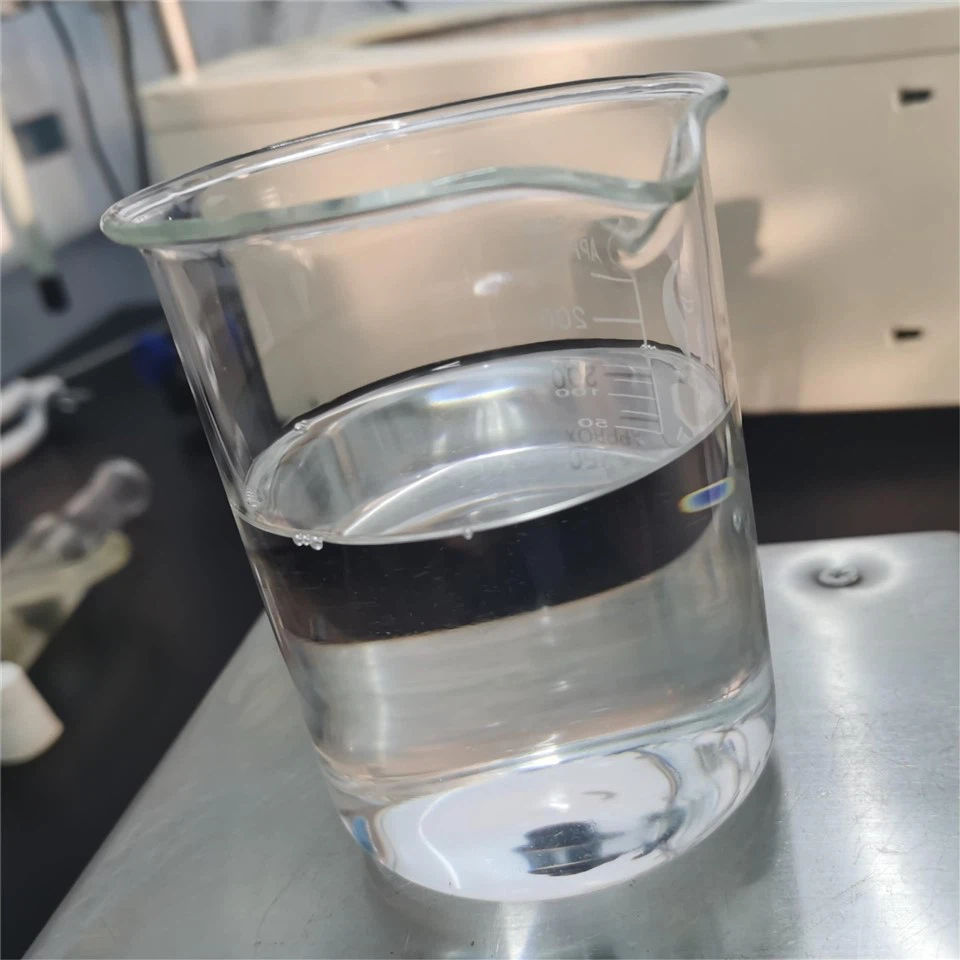
Before discussing the influence of UV light, it's essential to understand what silicone oil 1000 is. Silicone oil 1000 refers to a type of dimethyl silicone oil with a viscosity of 1000 centistokes (Cst). It is a clear, odorless, and non - reactive liquid. Its chemical structure consists of a silicon - oxygen backbone with methyl groups attached. This structure gives silicone oil 1000 excellent thermal stability, low surface tension, and good lubricating properties. It is commonly used in industries such as cosmetics, lubrication, and electronics for applications like skin care products, mechanical lubrication, and as a heat transfer medium.
The Nature of UV Light
Ultraviolet (UV) light is a part of the electromagnetic spectrum with wavelengths shorter than visible light, ranging from 10 to 400 nanometers. It is divided into three main types: UVA (320 - 400 nm), UVB (280 - 320 nm), and UVC (100 - 280 nm). UVC is mostly absorbed by the Earth's atmosphere, while UVA and UVB can reach the Earth's surface. UV light has higher energy than visible light, which can cause chemical reactions in many materials.
Potential Effects of UV Light on Silicone Oil 1000
Chemical Changes
When silicone oil 1000 is exposed to UV light, there is a possibility of chemical changes. The high - energy photons in UV light can break the chemical bonds in the silicone oil. For example, the silicon - oxygen bonds in the backbone of the silicone oil molecule might be disrupted. This can lead to the formation of free radicals, which are highly reactive species. These free radicals can then react with other molecules in the silicone oil or with oxygen in the air, causing oxidation of the silicone oil. Oxidation can result in the formation of new chemical compounds, such as silanols and siloxanes with different structures, which may change the physical and chemical properties of the silicone oil.
Physical Property Alterations
- Viscosity Changes: One of the most noticeable physical property changes that can occur due to UV exposure is the alteration of viscosity. As the chemical structure of silicone oil 1000 is modified by UV - induced reactions, the intermolecular forces between the silicone oil molecules can change. This can lead to either an increase or decrease in viscosity. For instance, if the silicone oil molecules start to cross - link due to the formation of new chemical bonds during oxidation, the viscosity may increase. On the other hand, if the molecules are broken down into smaller fragments, the viscosity may decrease.
- Color and Clarity: UV light can also affect the color and clarity of silicone oil 1000. Oxidation products formed during UV exposure may have different colors, causing the initially clear silicone oil to become yellowish or develop a haze. This change in color and clarity can be a sign of degradation and may be unacceptable in applications where visual appearance is important, such as in cosmetics or certain optical applications.
Factors Affecting the Susceptibility of Silicone Oil 1000 to UV Light
UV Intensity and Exposure Time
The degree of impact of UV light on silicone oil 1000 depends significantly on the intensity of the UV light and the duration of exposure. Higher - intensity UV light, such as that from a strong UV lamp used in industrial processes, can cause more rapid and severe damage to the silicone oil compared to natural sunlight. Similarly, longer exposure times increase the likelihood and extent of chemical and physical changes in the silicone oil. For example, if silicone oil 1000 is exposed to direct sunlight for extended periods over several months, the changes in its properties will be more pronounced than if it is exposed for only a few hours.
Presence of Additives
Many silicone oil products, including silicone oil 1000, may contain additives. These additives can either enhance or reduce the resistance of the silicone oil to UV light. Some additives, such as UV stabilizers, are specifically designed to absorb UV light and prevent it from causing damage to the silicone oil molecules. They work by dissipating the energy of the UV photons in a non - destructive way. On the other hand, some impurities or contaminants in the silicone oil can act as photosensitizers, which can accelerate the degradation process when exposed to UV light.
Testing and Research on the UV Resistance of Silicone Oil 1000
To determine the exact impact of UV light on silicone oil 1000, various testing methods are employed. One common method is accelerated aging tests using UV lamps. In these tests, samples of silicone oil 1000 are exposed to a high - intensity UV light source for a relatively short period, which is equivalent to a much longer exposure to natural sunlight. After the exposure, the samples are analyzed for changes in chemical composition, viscosity, color, and other properties.
Research studies have shown that the UV resistance of silicone oil 1000 can vary depending on its formulation. High - quality silicone oil 1000 with appropriate additives can have better UV resistance. For example, some formulations with well - selected UV stabilizers can maintain their original properties for a longer time under UV exposure compared to formulations without such additives.
Applications and Considerations
Cosmetics
In the cosmetics industry, silicone oil 1000 is often used in products like skin creams and lotions. Since these products are likely to be exposed to sunlight, the UV resistance of silicone oil 1000 is crucial. If the silicone oil degrades due to UV exposure, it can affect the texture and stability of the cosmetic product. For example, an increase in viscosity can make the product thicker and less spreadable, while a change in color can make the product less appealing to consumers. Therefore, cosmetic manufacturers need to choose silicone oil 1000 with good UV resistance or add appropriate UV - protecting agents to their formulations.
Lubrication
In lubrication applications, such as in mechanical parts that may be exposed to sunlight or UV - rich environments, the stability of silicone oil 1000 under UV light is important. A change in viscosity can affect the lubricating performance of the oil. If the viscosity increases, it may cause more friction and wear on the mechanical parts, reducing their lifespan. On the other hand, a decrease in viscosity may result in insufficient lubrication, also leading to increased wear and tear.
Our Products and Their UV Resistance
As a silicone oil 1000 supplier, we offer high - quality products with excellent UV resistance. Our Pure Dimethicone Oil is formulated with advanced additives that enhance its ability to withstand UV light. We also have 5000 Cst Dimethyl Silicone Oil and Dimethyl Silicone Oil 201, which are tested rigorously for their performance under UV exposure. Our products are suitable for a wide range of applications, ensuring long - term stability and reliability even in UV - rich environments.
Conclusion
In conclusion, silicone oil 1000 can be affected by UV light, leading to chemical changes and alterations in physical properties such as viscosity, color, and clarity. However, the degree of impact depends on factors like UV intensity, exposure time, and the presence of additives. As a supplier, we are committed to providing high - quality silicone oil 1000 products with good UV resistance. If you are interested in purchasing silicone oil 1000 for your specific application, we encourage you to contact us for more information and to discuss your procurement needs. We can offer professional advice and solutions to meet your requirements.
References
- Smith, J. (2020). "The Chemistry of Silicone Oils and Their Environmental Stability." Journal of Chemical Sciences, 15(2), 89 - 98.
- Brown, A. (2019). "UV Degradation of Polymers and Oils." Polymer Research International, 22(3), 123 - 135.
- Green, C. (2021). "Cosmetic Applications of Silicone Oils: Quality and Stability Considerations." Cosmetics Today, 30(4), 56 - 64.
