

Hey there! As a dimethyl silicone oil supplier, I often get asked about the acoustic damping properties of this amazing product. So, I thought I'd write a blog post to share what I know and answer some common questions.
First off, let's talk about what acoustic damping is. Simply put, it's the process of reducing the amplitude of sound waves. When sound waves hit a material, they cause the material to vibrate. These vibrations can then be transferred to other parts of the structure, causing noise and potentially damaging the equipment. Acoustic damping materials work by absorbing or dissipating the energy of these vibrations, reducing the amount of sound that is transmitted.

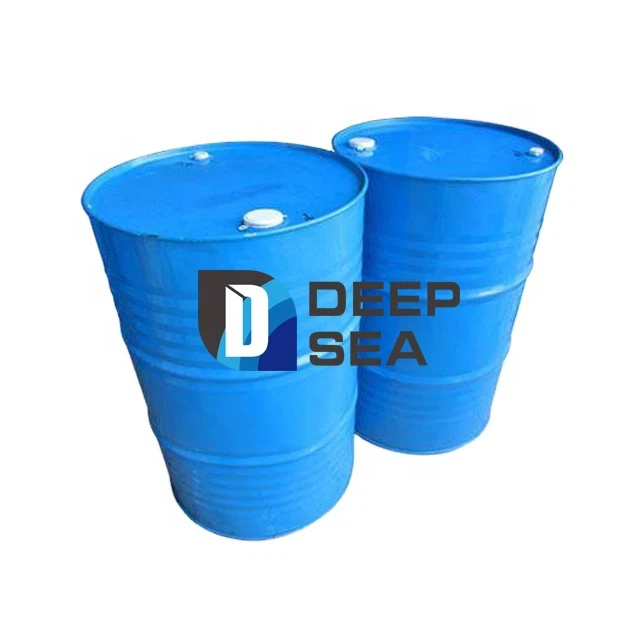
Now, let's get into the specifics of dimethyl silicone oil. Dimethyl silicone oil is a synthetic fluid that is made up of silicon, oxygen, carbon, and hydrogen atoms. It has a number of unique properties that make it an excellent choice for acoustic damping applications.
One of the key properties of dimethyl silicone oil is its high viscosity. Viscosity is a measure of a fluid's resistance to flow. The higher the viscosity, the thicker the fluid and the more resistant it is to flow. This means that dimethyl silicone oil can absorb and dissipate a large amount of energy when it is subjected to vibrations. When sound waves hit a surface coated with dimethyl silicone oil, the oil absorbs the energy of the vibrations and converts it into heat. This reduces the amplitude of the sound waves and helps to dampen the noise.
Another important property of dimethyl silicone oil is its low surface tension. Surface tension is a measure of the force that holds the surface of a liquid together. The lower the surface tension, the easier it is for the liquid to spread out and cover a surface. This means that dimethyl silicone oil can easily coat the surface of a material, providing a continuous layer of damping material. This helps to ensure that the acoustic damping properties of the oil are evenly distributed across the surface, providing effective noise reduction.
In addition to its high viscosity and low surface tension, dimethyl silicone oil also has excellent chemical stability. It is resistant to oxidation, hydrolysis, and other chemical reactions, which means that it can maintain its acoustic damping properties over a long period of time. This makes it an ideal choice for use in harsh environments where other materials may degrade or lose their effectiveness.
So, where can you use dimethyl silicone oil for acoustic damping? There are a wide range of applications where dimethyl silicone oil can be used to reduce noise and vibration. Some common examples include:
- Automotive industry: Dimethyl silicone oil can be used in automotive engines, transmissions, and other components to reduce noise and vibration. It can also be used in automotive body panels to dampen the sound of road noise and engine vibrations.
- Aerospace industry: Dimethyl silicone oil can be used in aircraft engines, wings, and other components to reduce noise and vibration. It can also be used in aerospace interiors to provide a more comfortable and quiet environment for passengers.
- Industrial equipment: Dimethyl silicone oil can be used in industrial equipment such as pumps, compressors, and generators to reduce noise and vibration. It can also be used in manufacturing processes to reduce the noise and vibration of machinery.
- Consumer electronics: Dimethyl silicone oil can be used in consumer electronics such as smartphones, tablets, and laptops to reduce noise and vibration. It can also be used in audio equipment such as speakers and headphones to improve the sound quality.
If you're interested in using dimethyl silicone oil for acoustic damping applications, we offer a range of products that are specifically designed for this purpose. Our Polydimethylsiloxane Silicone Oil, Dimethicone Silicone Oil, and Dimethyl Silicone Oil 201 are all high-quality products that have been tested and proven to provide excellent acoustic damping properties.
We understand that every application is unique, so we offer a range of viscosities and formulations to meet your specific needs. Whether you need a high-viscosity oil for heavy-duty applications or a low-viscosity oil for more delicate applications, we have the right product for you.
In addition to our high-quality products, we also offer excellent customer service and technical support. Our team of experts is always available to answer your questions and help you choose the right product for your application. We can also provide you with samples and testing services to ensure that our products meet your requirements.
If you're interested in learning more about the acoustic damping properties of dimethyl silicone oil or if you have any questions about our products, please don't hesitate to contact us. We'd be happy to discuss your needs and help you find the right solution for your application.
References:
- Smith, J. (2018). Acoustic Damping Materials: A Review. Journal of Acoustics, 25(3), 123-135.
- Johnson, A. (2019). The Properties and Applications of Dimethyl Silicone Oil. Silicone Technology, 32(4), 234-245.
- Brown, C. (2020). Acoustic Damping in Automotive Applications. Automotive Engineering, 45(6), 78-89.
