

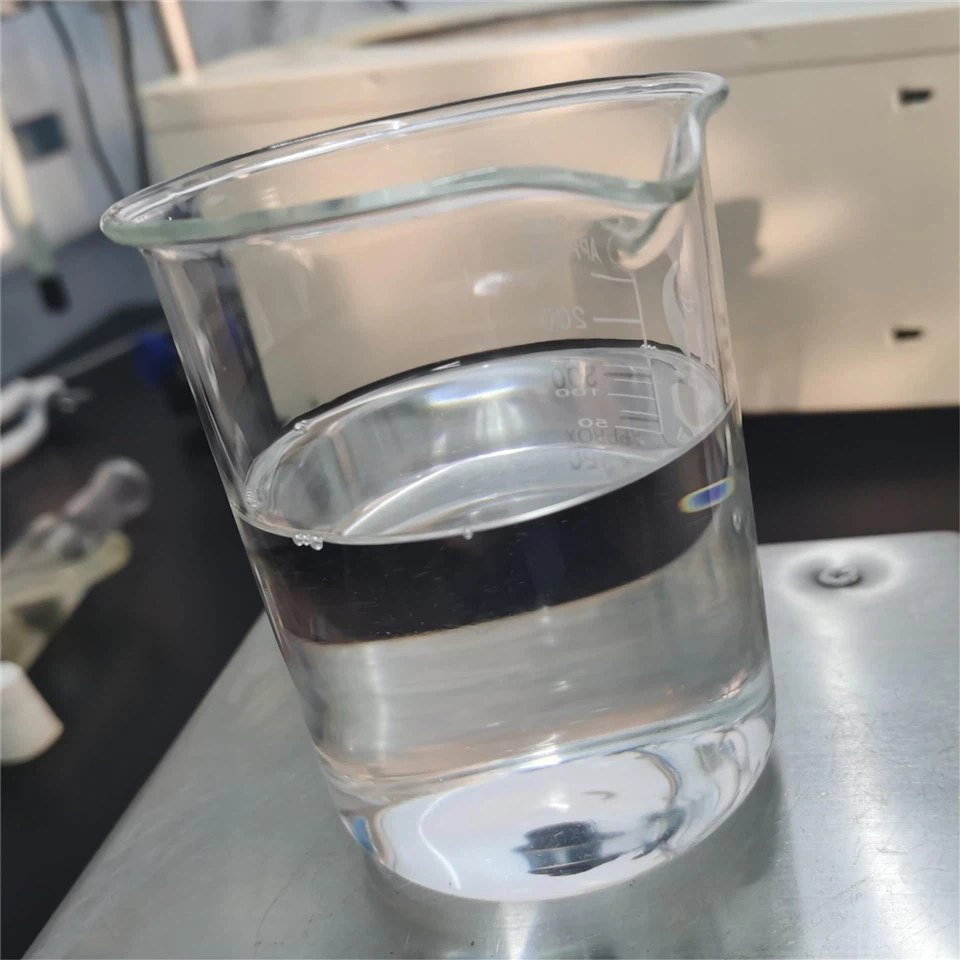
Silicone fluid 500, a type of dimethyl silicone oil with a viscosity of 500 centistokes (Cst), has emerged as a versatile and valuable material in the textile industry. As a supplier of silicone fluid 500, I have witnessed firsthand the numerous potential uses and benefits it offers to textile manufacturers. In this blog post, I will explore the various applications of silicone fluid 500 in the textile industry and highlight its advantages.
Softening and Lubrication
One of the primary uses of silicone fluid 500 in the textile industry is for softening and lubricating fibers. When applied to textile materials, silicone fluid 500 forms a thin, smooth film on the surface of the fibers, reducing friction between them. This results in a softer, more luxurious hand feel of the fabric, making it more comfortable to wear. Additionally, the lubricating properties of silicone fluid 500 help to prevent fiber breakage during processing, such as spinning, weaving, and knitting, improving the overall quality and durability of the textile products.
For example, in the production of high - end apparel, silicone fluid 500 can be used to treat natural fibers like cotton, wool, and silk, as well as synthetic fibers such as polyester and nylon. The softening effect not only enhances the wearing experience but also gives the fabric a more elegant appearance. In the case of knitted fabrics, the lubrication provided by silicone fluid 500 allows for smoother knitting operations, reducing the likelihood of dropped stitches and improving the consistency of the fabric structure.
Water Repellency
Silicone fluid 500 can also be used to impart water - repellent properties to textiles. When the fluid is applied to the fabric, it creates a hydrophobic surface that repels water droplets. This is particularly useful in outdoor clothing, sportswear, and workwear, where protection against moisture is essential.
The water - repellent effect of silicone fluid 500 is based on its molecular structure. The silicone chains in the fluid align themselves on the fabric surface, presenting a non - polar, water - resistant layer. This layer prevents water from penetrating the fabric, keeping the wearer dry. Moreover, unlike some traditional water - repellent treatments, silicone fluid 500 does not significantly affect the breathability of the fabric. This means that the textile can still allow air and moisture vapor to pass through, providing comfort even during strenuous activities.
Anti - Static Properties
In the textile industry, static electricity can be a significant problem. It can cause fibers to cling together during processing, leading to uneven dyeing, poor fabric appearance, and difficulties in handling. Silicone fluid 500 can help to reduce static electricity in textiles.
The fluid's ability to dissipate static charges is due to its electrical conductivity properties. When applied to the fabric, it forms a conductive layer that allows static charges to flow away, rather than build up on the surface of the fibers. This is especially important in synthetic fibers, which are more prone to static generation compared to natural fibers. In the production of carpets, for example, silicone fluid 500 can be used to prevent static - related problems such as dust attraction and the discomfort caused by static shocks to the users.
Heat Resistance
Textiles often need to withstand high temperatures during various manufacturing processes, such as ironing, heat - setting, and dyeing. Silicone fluid 500 has excellent heat - resistant properties, which make it suitable for use in these applications.
The high thermal stability of silicone fluid 500 allows it to maintain its physical and chemical properties at elevated temperatures. When used as a treatment for textiles, it can protect the fibers from heat - induced damage, such as shrinkage, discoloration, and degradation. For instance, in the heat - setting process of synthetic fibers, silicone fluid 500 can help to set the shape of the fibers more effectively, ensuring dimensional stability of the final textile product.
Emulsification and Compatibility
Silicone fluid 500 can be easily emulsified in water, which makes it convenient to use in textile finishing processes. Emulsions of silicone fluid 500 can be applied to textiles using various methods, such as padding, spraying, and dipping.
Furthermore, silicone fluid 500 is compatible with many other chemicals and additives used in the textile industry, such as dyes, pigments, and finishing agents. This compatibility allows for the development of multi - functional textile treatments. For example, it can be combined with a dye to simultaneously color the fabric and provide softening and water - repellent properties.
Comparison with Other Silicone Fluids
While silicone fluid 500 has many advantages, it's also worth comparing it with other silicone fluids in the market. For instance, 5000 Cst Dimethyl Silicone Oil has a higher viscosity. The higher viscosity may provide a more durable and long - lasting coating on the textile fibers, but it may also be more difficult to emulsify and apply evenly. On the other hand, Dimethyl Silicone Oil 201 has different chemical properties and may be more suitable for specific applications, such as high - temperature lubrication in industrial textile machinery. 500 Cst Dimethyl Silicone Oil strikes a good balance between ease of use, performance, and cost - effectiveness in many textile applications.
Conclusion
In conclusion, silicone fluid 500 offers a wide range of potential uses in the textile industry, including softening and lubrication, water repellency, anti - static properties, heat resistance, and compatibility with other chemicals. Its versatility makes it an indispensable material for textile manufacturers looking to improve the quality, performance, and functionality of their products.
If you are in the textile industry and are interested in exploring the benefits of silicone fluid 500 for your production processes, I encourage you to reach out to discuss your specific requirements. Whether you are a small - scale artisanal textile producer or a large - scale industrial manufacturer, I am confident that silicone fluid 500 can add value to your operations. Contact me to start a conversation about how we can work together to achieve your textile production goals.

References
- Textile Chemistry and Technology: Fundamentals, Processes, and Testing, Second Edition by Nand K. Jain
- Handbook of Textile Fibre Structure, Volume 1: Natural Fibres by David J. H. Shishoo
- Silicones in the Textile Industry by various authors in the Journal of Applied Polymer Science.
