

Hey there! I'm a supplier of Rtv Silicone Rubber Rtv Silicone Rubber, and I often get asked about what cleaning agents are safe for this type of rubber. So, I thought I'd write this blog to share some useful info on the topic.
First off, let's understand a bit about RTV silicone rubber. It's a super versatile material. You can find it in all sorts of applications, from sealing in construction to making molds in the art and craft world. It's known for its flexibility, heat resistance, and good chemical stability. But like any material, it needs proper care and cleaning to keep it in top shape.
Now, when it comes to cleaning agents, not all are created equal. Some can be too harsh and damage the rubber, while others are just right.
Mild Soap and Water
This is probably the simplest and safest option. A mild dish soap mixed with water is a great start. Just make a solution, dip a soft cloth or sponge into it, and gently wipe the RTV silicone rubber. This method is perfect for removing everyday dirt, dust, and some light stains. It won't harm the rubber's surface or its properties. After cleaning, rinse the rubber thoroughly with clean water to get rid of any soap residue. Then, dry it with a soft, clean cloth. This simple cleaning routine can keep your RTV silicone rubber looking great for a long time.
Isopropyl Alcohol
Isopropyl alcohol, also known as rubbing alcohol, is another safe cleaning agent for RTV silicone rubber. It's great for disinfecting and removing more stubborn stains. You can use a solution of 70% isopropyl alcohol and 30% water. Dip a cotton ball or a soft cloth into the solution and gently rub the affected area. The alcohol evaporates quickly, so there's no need to rinse it off. However, make sure not to use it on rubber that has been painted or coated, as it might damage the finish. Also, don't soak the rubber in alcohol for extended periods, as it could cause some swelling or degradation over time.
Vinegar Solution
Vinegar is a natural cleaning agent that can be used on RTV silicone rubber. Mix equal parts of white vinegar and water in a spray bottle. Spray the solution on the rubber and let it sit for a few minutes. Then, wipe it off with a soft cloth. Vinegar is effective in removing mineral deposits and some types of grease. It's also non - toxic, which is a plus. But be aware that the strong smell of vinegar can linger for a while. You can air out the area or use a bit of baking soda to neutralize the odor after cleaning.

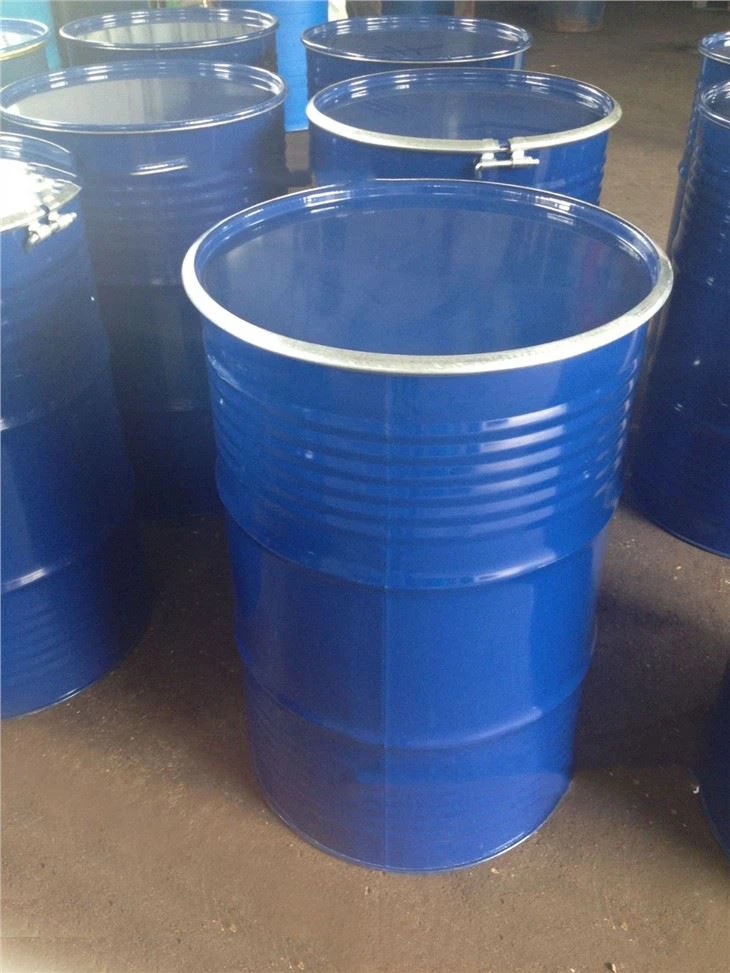
Specialized Silicone Cleaners
There are also specialized cleaners designed specifically for silicone rubber. These cleaners are formulated to clean and maintain the rubber without causing any damage. They can be a bit more expensive than the DIY options, but they're often more effective, especially for tough stains or heavy - duty cleaning. When using a specialized cleaner, always follow the manufacturer's instructions. Some might require you to let the cleaner sit on the rubber for a certain amount of time, while others might need to be rinsed off immediately.
What to Avoid
Now, let's talk about the cleaning agents you should avoid. Harsh chemicals like bleach, ammonia, and strong solvents can be very damaging to RTV silicone rubber. Bleach can break down the rubber's structure, making it brittle and prone to cracking. Ammonia can cause discoloration and also weaken the rubber. Strong solvents like acetone, toluene, and xylene can dissolve the rubber or cause it to swell and lose its shape. So, it's best to steer clear of these substances when cleaning your RTV silicone rubber.
Cleaning HTV Silicone Rubber and Lubricating Silicone Grease
If you're also dealing with HTV Silicone Rubber or Lubricating Silicone Grease, the general cleaning principles are similar. For HTV silicone rubber, mild soap and water are still a great option. However, since HTV rubber is often used in high - temperature applications, it might accumulate more stubborn dirt and grime. In such cases, a slightly stronger solution of isopropyl alcohol might be needed, but always test it on a small, inconspicuous area first.
When it comes to lubricating silicone grease, you can use a soft cloth to wipe off any excess grease. If there's dirt mixed with the grease, you can use a mild cleaner to clean the surface. But be careful not to remove too much of the grease, as it serves an important lubricating function.
Maintaining Your RTV Silicone Rubber
Cleaning is just one part of maintaining RTV silicone rubber. You should also store it properly. Keep it away from direct sunlight, high heat, and sharp objects. Sunlight can cause the rubber to fade and become brittle over time. High heat can change its physical properties, making it less flexible. And sharp objects can easily scratch or puncture the rubber.
If you're using RTV silicone rubber in a mechanical application, make sure to check it regularly for signs of wear and tear. Replace it if you notice any significant damage, as a damaged rubber part can affect the performance of the entire system.
Conclusion
So, there you have it! The key to cleaning RTV silicone rubber is to use safe and gentle cleaning agents. Mild soap and water, isopropyl alcohol, vinegar solutions, and specialized silicone cleaners are all great options. Avoid harsh chemicals and strong solvents to prevent damage to the rubber. Whether you're using RTV silicone rubber in your home projects or in an industrial setting, proper cleaning and maintenance will ensure its longevity and performance.
If you're interested in purchasing high - quality RTV silicone rubber, feel free to reach out for a purchase negotiation. I'm always here to help you find the right product for your needs.
References
- "Silicone Rubber Handbook" - A comprehensive guide on the properties and care of silicone rubber.
- Manufacturer's guidelines for RTV silicone rubber products.
