

Hey there! As a silicone sealant supplier, I get asked a lot of questions about our products. One of the most common queries I hear is, "What happens if I mix different types of silicone sealant?" Well, let's dive right into this topic and find out what you need to know.
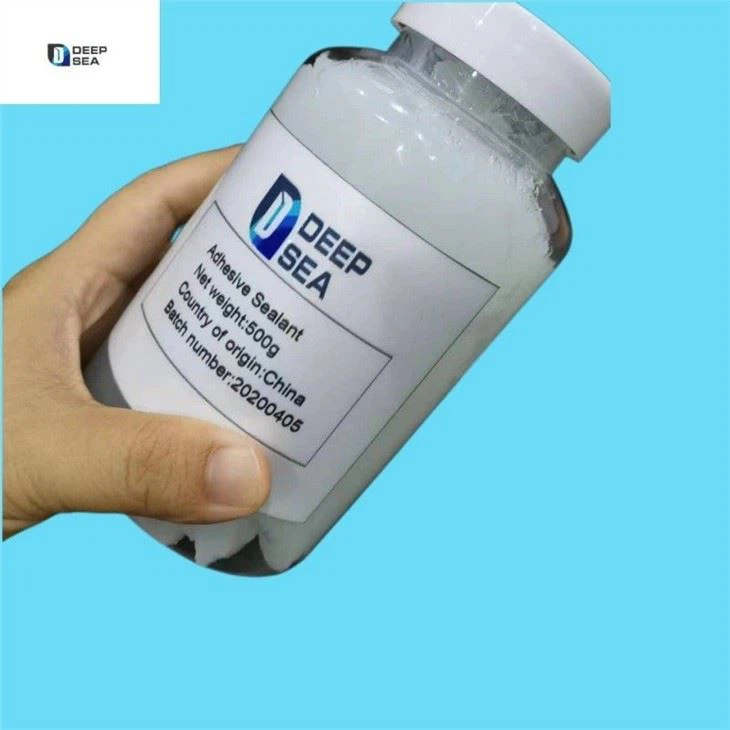
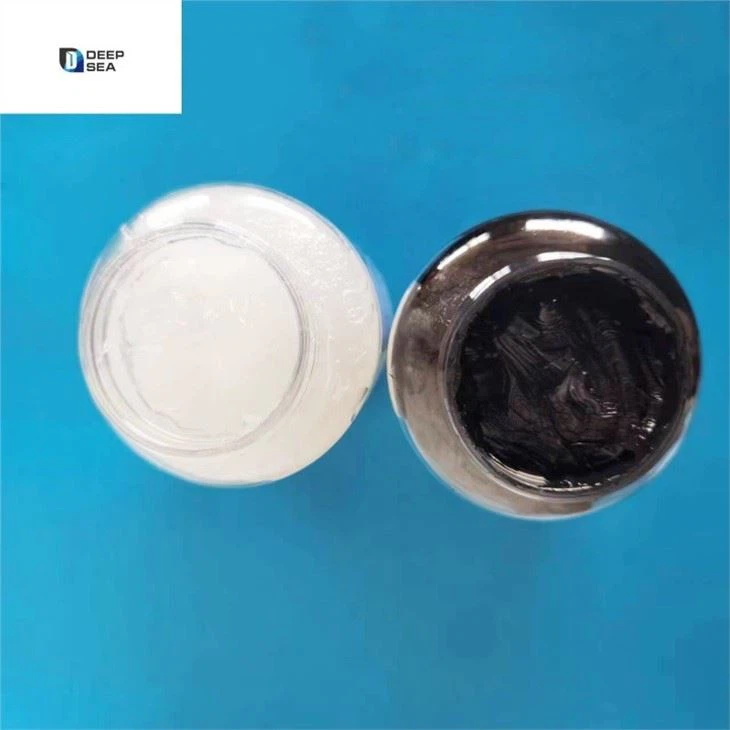
First off, let's talk about the main types of silicone sealants out there: Neutral Silicone Sealant and Acid Silicone Sealant. They have different chemical compositions and properties, which can lead to some unexpected results when mixed.
Chemical Reactions
Neutral silicone sealants use a curing system that releases alcohol or other neutral by - products during the curing process. On the other hand, acid silicone sealants give off acetic acid as they cure. Mixing these two types can cause a chemical reaction between the different curing agents.
The acid from the acid silicone sealant can react with the components in the neutral sealant. This reaction might interfere with the normal curing process of both sealants. Instead of curing properly, the mixture could end up with a lumpy or uneven texture. The sealant might not harden as it should, or it could cure too quickly in some areas and remain soft in others.
For example, if you're trying to use the mixed sealant for a waterproofing job, this uneven curing could create gaps or weak spots. Water could then seep through, ruining the waterproofing effect you were aiming for.
Adhesion Issues
Another major problem with mixing different silicone sealants is adhesion. Each type of sealant is formulated to bond well with specific materials. Neutral silicone sealants are great for a wide range of surfaces, including glass, metal, and some plastics. They are also less likely to cause corrosion on sensitive metals because they don't release acid.
Acid silicone sealants, however, are especially good at bonding to materials like glass. But they can corrode some metals due to the acetic acid they release during curing. When you mix the two, the resulting sealant might not bond properly to any surface.
Let's say you're using the sealant to seal a window frame made of aluminum. The neutral sealant would normally bond well and protect the aluminum from corrosion. But if you've mixed it with acid sealant, the acid could damage the aluminum surface. And the adhesion might be so poor that the sealant will start to peel off over time, leaving your window vulnerable to leaks.
Color and Appearance
The color and appearance of the sealant can also be affected when you mix different types. Silicone sealants come in various colors, and the pigments used in each type are designed to work within the specific formula.
When you mix neutral and acid sealants, the pigments might not blend correctly. This can result in a blotchy or streaky appearance. If you're using the sealant in a visible area, like around a bathtub or a sink, this uneven color can be really unappealing. It'll make your installation look shoddy and unprofessional.
Long - Term Durability
Long - term durability is a key factor when it comes to choosing a silicone sealant. Sealants are meant to last for years, providing a reliable barrier against water, air, and other elements.
Mixing different types of sealants can seriously compromise their long - term performance. Since the curing and adhesion are affected, the sealant will be more prone to cracking, peeling, and breaking down over time. This means you'll have to replace the sealant much sooner than you would if you'd used a single, proper type of sealant.
For instance, if you've sealed a shower enclosure with a mixed sealant, it might start to fail within a few months. You'll then have to go through the hassle of removing the old sealant and applying a new one, which is not only time - consuming but also costly.
So, What Should You Do?
The answer is simple: don't mix different types of silicone sealants. Each type has been carefully formulated to work best on its own. If you're not sure which sealant to use for your project, take a look at the product descriptions on our website. You can find detailed information about Neutral Silicone Sealant and Acid Silicone Sealant, including where they're best used.
If you're still confused, our customer service team is here to help. We've got a lot of experience in the industry, and we can guide you to choose the right product for your specific needs.
Why Choose Our Silicone Sealants?
As a silicone sealant supplier, we take pride in offering high - quality products. Our sealants are made with the best materials and go through strict quality control processes. Whether you need a neutral sealant for a delicate project or an acid sealant for a glass - bonding job, we've got you covered.
We also offer a wide range of colors, so you can find the perfect match for your installation. And our prices are competitive, giving you great value for your money.
Let's Connect
If you're interested in purchasing our silicone sealants, we'd love to hear from you. We can provide you with samples so you can test out the product before making a larger order. Whether you're a DIY enthusiast or a professional contractor, we can supply the right amount of sealant for your project.
Just reach out to us, and we'll start a conversation about your needs. We're here to make sure you have a smooth and successful sealing experience.
References
- Product technical manuals from well - known silicone sealant manufacturers.
- Industry research on the chemical properties and performance of silicone sealants.
