

Dimethyl silicone oil, a versatile and widely used compound, has found its way into numerous industries due to its unique properties such as high thermal stability, low surface tension, and excellent lubrication. As a prominent supplier of Dimethyl Silicone Oil, I have received many inquiries about the solvents that can dissolve it. In this blog post, I will explore the various solvents capable of dissolving dimethyl silicone oil and provide some insights into their applications.
Understanding Dimethyl Silicone Oil
Before delving into the solvents, it's essential to understand the nature of dimethyl silicone oil. Dimethyl silicone oil, also known as Dimethicone Silicone Oil, is a synthetic polymer composed of repeating silicon-oxygen chains with methyl groups attached to the silicon atoms. This structure gives it a high degree of flexibility and stability, making it resistant to many chemicals and environmental factors.
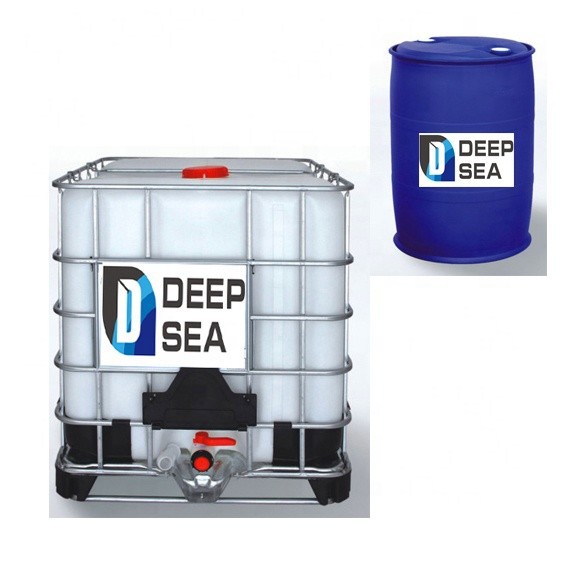

One of the most popular types of dimethyl silicone oil is Dimethyl Silicone Oil 201, which is widely used in industries such as cosmetics, lubricants, and electronics. Its low viscosity and high thermal stability make it an ideal choice for various applications.
Solvents for Dissolving Dimethyl Silicone Oil
-
Hydrocarbons
- Hexane: Hexane is a common hydrocarbon solvent that can dissolve dimethyl silicone oil. It is a non - polar solvent, and due to the non - polar nature of the methyl groups in dimethyl silicone oil, hexane can effectively break the intermolecular forces between the silicone oil molecules. Hexane is often used in laboratory settings for sample preparation and in some industrial cleaning processes where the removal of silicone oil residues is required.
- Toluene: Toluene is another hydrocarbon solvent with a relatively high solubility for dimethyl silicone oil. It has a slightly higher boiling point than hexane, which can be advantageous in some applications where a more stable solvent environment is needed. Toluene is commonly used in the paint and coating industry, and when dimethyl silicone oil is used as an additive in these formulations, toluene can be used to ensure proper mixing and dispersion.
-
Chlorinated Solvents
- Trichloroethylene: Trichloroethylene is a powerful chlorinated solvent that can dissolve dimethyl silicone oil. It has excellent solvency power due to its polar and non - polar characteristics. However, trichloroethylene is a hazardous substance, and its use is strictly regulated due to its potential health and environmental impacts. It is mainly used in industrial degreasing processes where the efficient removal of silicone oil is crucial.
- Methylene Chloride: Methylene chloride is another chlorinated solvent that can dissolve dimethyl silicone oil. It has a relatively low boiling point, which allows for easy evaporation after the dissolution process. Methylene chloride is often used in the plastics and rubber industries for the removal of silicone oil contaminants from molds and equipment.
-
Silicone - based Solvents
- Cyclic Siloxanes: Cyclic siloxanes, such as octamethylcyclotetrasiloxane (D4) and decamethylcyclopentasiloxane (D5), are silicone - based solvents that are highly compatible with dimethyl silicone oil. They have similar chemical structures to dimethyl silicone oil, which enables them to dissolve it easily. Cyclic siloxanes are widely used in the cosmetics industry, especially in products such as antiperspirants and hair care products, where they can help to dissolve and disperse dimethyl silicone oil for better product performance.
-
Ethers
- Diethyl Ether: Diethyl ether is a volatile and highly flammable ether solvent that can dissolve dimethyl silicone oil. It has a low boiling point and is often used in laboratory experiments for the extraction and purification of silicone oil. However, its high flammability limits its use in large - scale industrial applications.
Applications of Solvent - Dissolved Dimethyl Silicone Oil
- Cosmetics Industry
- In cosmetics, the ability to dissolve dimethyl silicone oil in solvents is crucial for formulating products such as skin creams, lotions, and hair conditioners. Solvents like cyclic siloxanes can dissolve dimethyl silicone oil and help it to spread evenly on the skin or hair, providing a smooth and silky feel. Dimethicone Silicone Oil dissolved in these solvents can also improve the water - resistance and durability of cosmetic products.
- Lubrication Industry
- In the lubrication industry, solvents are used to dissolve dimethyl silicone oil for the preparation of lubricant formulations. For example, toluene can be used to dissolve Dimethyl Silicone Oil 201 and other additives, ensuring uniform distribution and better performance of the lubricant. The dissolved silicone oil can then be applied to various mechanical components to reduce friction and wear.
- Electronics Industry
- In electronics, solvents are used to clean and remove silicone oil residues from electronic components. Chlorinated solvents like trichloroethylene can dissolve dimethyl silicone oil and effectively clean printed circuit boards and other electronic parts. This helps to ensure the proper functioning of electronic devices by preventing the accumulation of silicone oil, which can cause electrical insulation problems.
Considerations When Using Solvents to Dissolve Dimethyl Silicone Oil
- Safety
- Many of the solvents mentioned above, such as trichloroethylene and diethyl ether, are hazardous substances. Proper safety measures, including the use of personal protective equipment (PPE) and adequate ventilation, should be taken when handling these solvents.
- Environmental Impact
- Some solvents, especially chlorinated solvents, can have a significant environmental impact. It is important to use these solvents in accordance with environmental regulations and to explore more environmentally friendly alternatives whenever possible.
- Compatibility with Other Materials
- When using solvents to dissolve dimethyl silicone oil, it is necessary to consider the compatibility of the solvent with other materials in the system. For example, some solvents may react with certain plastics or metals, causing damage or degradation.
Conclusion
As a supplier of Dimethyl Silicone, I understand the importance of knowing the solvents that can dissolve dimethyl silicone oil. The choice of solvent depends on various factors such as the application, safety requirements, and environmental considerations. Whether you are in the cosmetics, lubrication, or electronics industry, we can provide high - quality dimethyl silicone oil products and offer professional advice on the appropriate solvents for your specific needs.
If you are interested in purchasing dimethyl silicone oil or have any questions about its dissolution and applications, please feel free to contact us for further discussion and procurement negotiation. Our team of experts is ready to assist you in finding the best solutions for your business.
References
- Smith, J. (2018). Handbook of Silicone Chemistry. CRC Press.
- Jones, A. (2020). Solvent Chemistry and Applications. Elsevier.
- Cosmetics and Toiletries Association. (2019). Cosmetic Formulation Guide.
