

The application of silicone oil in adhesives is mainly due to its unique physical and chemical properties. Silicone oil is non-toxic, odorless, non corrosive, non flammable, and has good heat resistance, electrical insulation, weather resistance, hydrophobicity, physiological inertness, as well as low surface tension, low viscosity temperature coefficient, and high compression resistance. These properties make silicone oil one of the important raw materials in the field of adhesives.
When preparing adhesives, silicone oil can be mixed with reinforcing agents, fillers, adhesives, catalysts, etc. to form adhesives with specific properties. For example, by mixing silicone oil with polysiloxane and other raw materials, room temperature adhesive can be made, which has high and low temperature resistance, weather resistance, water repellency, and good electrical properties. It also has the advantages of simple manufacturing, easy use, fast curing, and strong bonding strength.
In addition, silicone oil can also be used to prepare organic silicone adhesives. Organic silicone adhesive has excellent performance and green environmental protection properties, and is widely used in fields such as construction, new energy vehicles, power batteries, photovoltaics, LED driving power supplies, 5G communication, electronic and electrical, and power equipment. The use of silicone oil in these fields further expands its application scope as a raw material for adhesives.
In summary, silicone oil plays an important role in adhesive preparation due to its unique properties and wide range of applications. By mixing with different raw materials, silicone oil can form adhesives with specific properties to meet the needs of different fields.
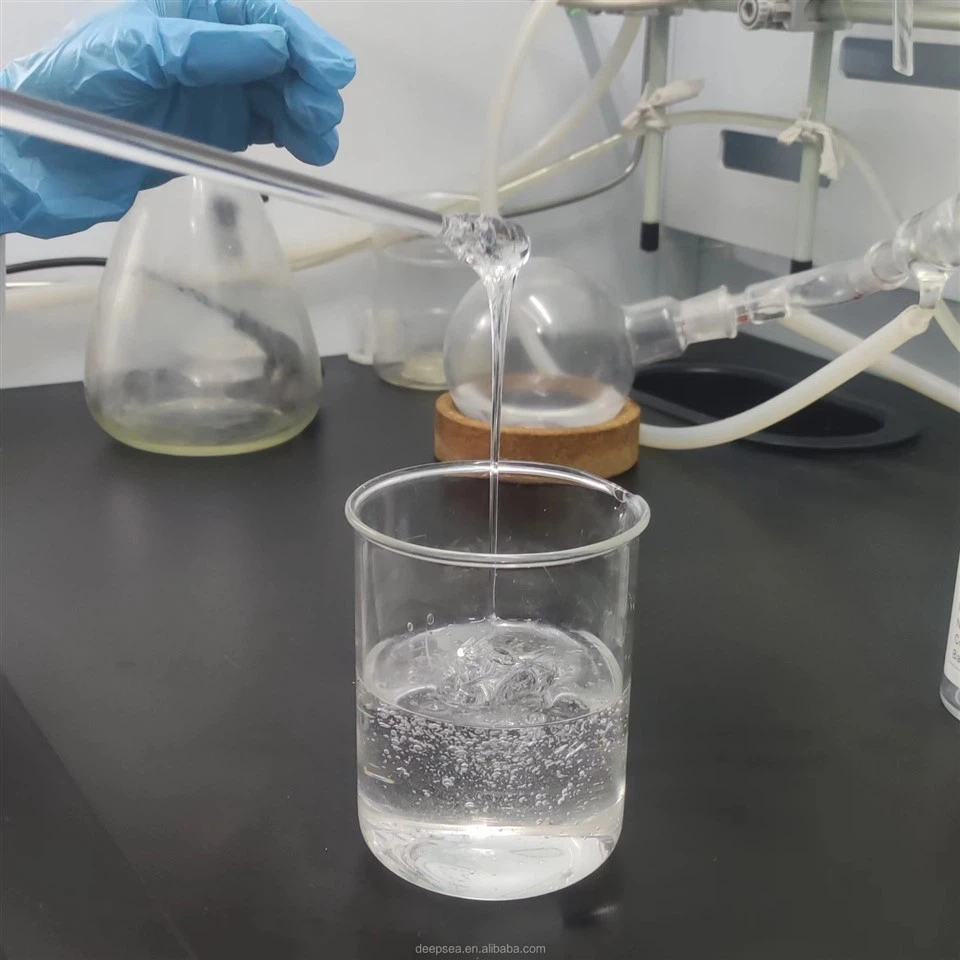
In adhesives, there are various types of silicone oils that can penetrate, and the following are some common types of silicone oils used in adhesives:
Dimethyl silicone oil:
Property: A colorless and transparent liquid with excellent heat resistance, cold resistance, and chemical stability.
Function: It can effectively improve the weather resistance and water resistance of adhesives, enabling them to maintain stable performance even in harsh environments. At the same time, it can also reduce the surface tension of the adhesive and enhance its adhesion to different materials.
Amino silicone oil:
Property: A silicone oil with amino functional groups, possessing good lubricity and flexibility.
Function: It can significantly improve the flexibility and tensile properties of adhesives, enabling them to maintain good toughness under stress. At the same time, it can also improve the processing performance of adhesives and reduce production costs.
Methyl hydrogen containing silicone oil:
Property: A silicone oil containing active hydrogen, with excellent crosslinking properties.
Function: It can improve the cross-linking density and strength of the adhesive through cross-linking reaction, making the adhesive have higher cohesion and adhesion. In addition, it can improve the heat resistance and chemical corrosion resistance of the adhesive, extending its service life.
In addition to the common types of silicone oil mentioned above, fluorosilicone oil and polyether silicone oil can also be used for optimizing adhesives. Fluorosilicone oil has excellent oil resistance, solvent resistance, and weather resistance, and can be used to prepare high-performance special adhesives; Polyether silicone oil has good biocompatibility and low toxicity, and is suitable for adhesive production in medical, food and other fields.

When selecting the type of silicone oil to infiltrate into the adhesive, it should be determined based on the specific application scenario and requirements.


