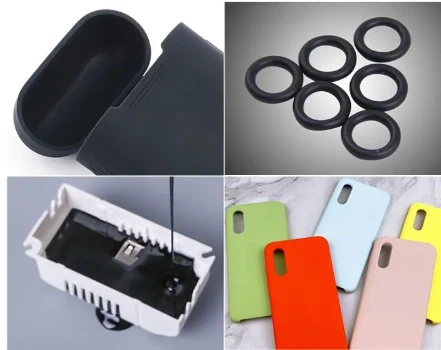
On the question of "whether hydrogen peroxide is safe for silica gel", we can analyze it from the following aspects:

One. Chemical properties of hydrogen peroxide
Hydrogen peroxide (H₂O₂) is a strong oxidizing agent that has bleaching and disinfection effects. It is decomposed into water and oxygen in an aqueous solution, and in the process releases free radicals, which have a strong oxidation capacity and can destroy the cell structure of bacteria, viruses and other microorganisms, so as to achieve the purpose of disinfection.
Second, the material characteristics of silica gel
Silica gel is a kind of highly active adsorption material, with non-toxic, no irritating odor, high temperature resistance, corrosion resistance and other characteristics. It is widely used in medical, food, electronics and other fields, and is favored for its good stability and high safety.
Third, the effect of hydrogen peroxide on silica gel
1. Disinfection effect: Hydrogen peroxide, as a strong oxidizing agent, can theoretically disinfect the surface of silicone and kill attached microorganisms. However, the disinfection effect is affected by factors such as hydrogen peroxide concentration, treatment time, and the surface state of the silica gel.
2. Material impact: Although silica gel has the characteristics of high temperature resistance and corrosion resistance, long-term or high concentration exposure to hydrogen peroxide may still cause a certain degree of oxidation or corrosion on its surface. This effect may be manifested as a change in the surface color of the silica gel, a reduction in gloss, or a decline in physical properties.
3. Safety considerations: Under normal conditions of use (such as appropriate concentration, time control, etc.), hydrogen peroxide disinfection of silica gel is relatively safe. However, if the operation is improper or the concentration is too high, it may cause damage to the silicone material or produce harmful substances.
Four. Conclusions and Recommendations
In summary, hydrogen peroxide can be used for disinfection of silica gel under appropriate conditions, but the following points need to be noted:
Choose the appropriate concentration and treatment time to avoid unnecessary damage to the silica gel.
Wear appropriate protective equipment, such as gloves and goggles, during operation to prevent skin and eye irritation caused by hydrogen peroxide.
After disinfection, the surface of the silicone should be fully cleaned to remove residual hydrogen peroxide.
In addition, if silicone products are used in special fields (such as medical treatment, food, etc.), it is recommended to consult relevant professionals or institutions before use to ensure their safety and suitability.