

What are the characteristics of silane-modified polymers?

Excellent bonding performance: Silane-modified polymers can form strong chemical bonds with a variety of substrates, such as metals, plastics, glass, ceramics, etc., providing reliable bonding effects. Whether in the connection of building structures, the assembly of automotive parts, or the packaging of electronic equipment, it can ensure the close bonding between components and effectively improve the overall performance and stability of the product.
Good weather resistance: It has excellent UV resistance, high and low temperature resistance, moisture resistance and chemical corrosion resistance. Under long-term exposure to outdoor environments or harsh industrial conditions, its physical and chemical properties change little, and it can maintain good sealing and bonding effects and extend the service life of the product. For example, when used in sealants for building exterior walls, it can effectively resist erosion by natural factors such as wind, rain, and sunlight.
Excellent environmental performance: The polymer is usually a single-component, solvent-free or low-solvent product, with less volatiles during use, less impact on the environment and human health, and meets environmental protection requirements. This makes it widely used in fields with high environmental protection requirements such as interior decoration, food packaging, and medical devices.
Good construction performance: It has moderate viscosity and thixotropy, which is convenient for construction operations. It can be applied by brushing, spraying, extrusion and other methods. It can quickly solidify to form an adhesive layer with certain elasticity and strength under different working environments and construction conditions, thereby improving construction efficiency.

Application Areas
Construction industry: used in building sealants, such as door and window seals, curtain wall seals, expansion joint seals, etc., which can effectively prevent rain and air penetration and improve the waterproof and thermal insulation performance of buildings; it can also be used as structural adhesives to bond building components, such as stone, concrete, metal, etc., to enhance the stability of the structure.

Automobile industry: It can be used for bonding automobile windshields, sealing automobile bodies, fixing engine parts, etc. It can withstand vibration, impact and temperature changes during driving to ensure the safety and comfort of the automobile.

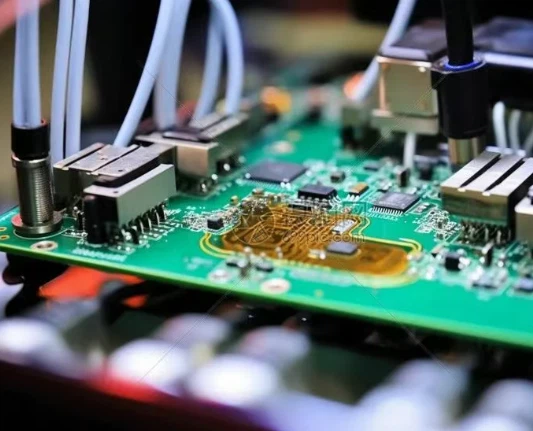
Electronic appliances: In the production of electronic equipment, it is used for packaging electronic components, bonding circuit boards, fixing display screens, etc. It can protect electronic components from the influence of the external environment and improve the reliability and stability of electronic equipment.
Other fields: It is also widely used in aerospace, rail transportation, new energy and other fields. For example, it is used for bonding and sealing of aircraft structural parts in aerospace; in the field of new energy, it is used for packaging of solar panels and assembly of lithium batteries.


