

Hey there! As a supplier of silicone oil 500 cst, I often get asked if this product can be used in hydraulic systems. So, I thought I'd dive into this topic and share some insights with you all.
First off, let's talk a bit about what silicone oil 500 cst is. Silicone oil is a type of synthetic fluid made up of silicon, oxygen, carbon, and hydrogen. The "500 cst" refers to its viscosity, which is a measure of how thick or thin the fluid is. In simple terms, a 500 cst silicone oil is moderately thick. You can check out 500 Cst Dimethyl Silicone Oil on our website for more detailed product info.
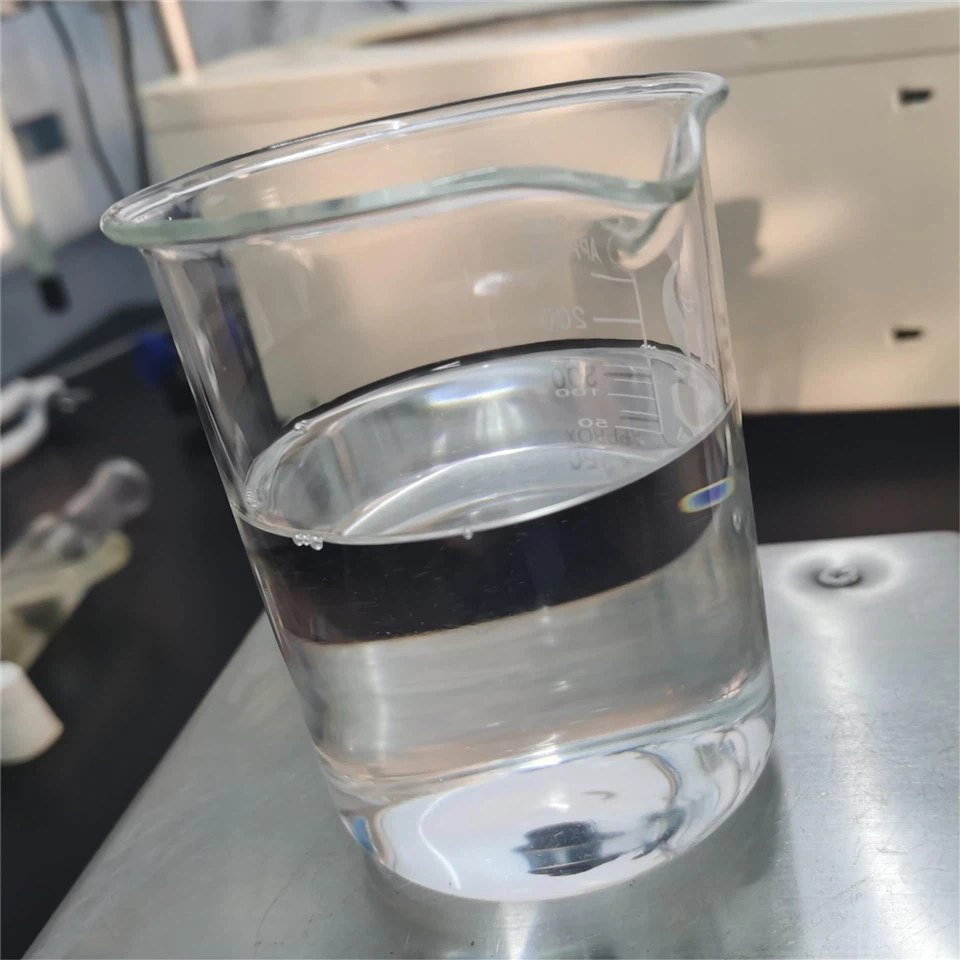

Now, onto the big question: Can it be used in hydraulic systems? Well, it depends on a few factors.
Advantages of Using Silicone Oil 500 cst in Hydraulic Systems
One of the main advantages of silicone oil is its excellent thermal stability. Hydraulic systems can generate a lot of heat during operation, and silicone oil can handle high temperatures without breaking down easily. This means it can maintain its performance over a wide range of temperatures, which is a huge plus. For example, if you're working in an environment where the hydraulic system is exposed to extreme heat, silicone oil 500 cst can keep things running smoothly.
Another benefit is its low surface tension. This allows the oil to spread easily and lubricate the moving parts in the hydraulic system effectively. It can reduce friction between components, which in turn can lead to less wear and tear. This not only extends the lifespan of the hydraulic system but also helps to improve its overall efficiency.
Silicone oil also has good chemical resistance. It's resistant to many chemicals, including water, acids, and bases. This makes it suitable for use in hydraulic systems that may come into contact with various substances. For instance, in some industrial applications where the hydraulic system is exposed to harsh chemicals, silicone oil can provide reliable protection.
Disadvantages of Using Silicone Oil 500 cst in Hydraulic Systems
However, there are also some drawbacks to using silicone oil 500 cst in hydraulic systems. One of the biggest issues is its poor compatibility with some elastomers. Elastomers are commonly used in hydraulic seals and gaskets. Silicone oil can cause swelling, softening, or hardening of these elastomers, which can lead to leaks in the hydraulic system. So, if your hydraulic system uses elastomer seals, you need to make sure they are compatible with silicone oil before making the switch.
Another concern is its relatively high cost compared to some traditional hydraulic fluids. This can be a significant factor, especially for large-scale applications where a large volume of fluid is required. You'll need to weigh the benefits against the cost to determine if silicone oil 500 cst is the right choice for your hydraulic system.
Compatibility and Considerations
Before using silicone oil 500 cst in a hydraulic system, it's crucial to consider the system's design and requirements. You should check the manufacturer's recommendations for the hydraulic system. Some systems are specifically designed to work with certain types of fluids, and using silicone oil may void the warranty.
It's also a good idea to perform compatibility tests. You can take a small sample of the silicone oil and test it with the materials used in the hydraulic system, such as seals and gaskets. This will help you identify any potential compatibility issues before you make a full switch.
If you're still not sure whether silicone oil 500 cst is suitable for your hydraulic system, you can consult with a hydraulic system expert. They can provide more in-depth advice based on your specific situation.
Other Silicone Oil Products
We also offer other silicone oil products that might be relevant to your needs. For example, Dimethyl Silicone Oil 201 has different properties and may be a better fit for some applications. And 100 Dimethicone Oil has a lower viscosity, which could be useful in certain hydraulic systems where a thinner fluid is required.
Conclusion
In conclusion, silicone oil 500 cst can be used in hydraulic systems, but it's not a one-size-fits-all solution. It has its advantages, such as thermal stability, low surface tension, and chemical resistance, but it also has some disadvantages, like poor elastomer compatibility and high cost. You need to carefully evaluate your hydraulic system's requirements, consider the compatibility issues, and weigh the pros and cons before making a decision.
If you're interested in learning more about silicone oil 500 cst or any of our other silicone oil products, or if you have any questions about using them in your hydraulic system, don't hesitate to reach out. We're here to help you make the right choice for your application. Whether you're a small business or a large industrial operation, we can provide the support and products you need. So, if you're thinking about using silicone oil 500 cst in your hydraulic system, let's start a conversation and see how we can work together.
References
- "Hydraulic Fluids: Properties and Applications" - A technical handbook on hydraulic fluids.
- "Silicone Chemistry and Applications" - A comprehensive guide on silicone products and their uses.
