

Hey there! As a silicone sealant supplier, I often get asked if silicone sealant can be used on glass. Well, the short answer is yes, but there's a lot more to it than that. In this blog post, I'll dive deep into the topic, exploring the ins and outs of using silicone sealant on glass, the different types of sealants available, and some tips and tricks to ensure a successful application.
First off, let's talk about why silicone sealant is a great choice for glass. Silicone sealant is known for its excellent adhesion, flexibility, and resistance to moisture, heat, and UV rays. These properties make it ideal for sealing glass in a variety of applications, from windows and doors to aquariums and shower enclosures.
One of the main advantages of using silicone sealant on glass is its ability to create a watertight and airtight seal. This helps to prevent leaks, drafts, and condensation, which can lead to damage and mold growth. Additionally, silicone sealant can help to improve the energy efficiency of your home or building by reducing heat loss and air infiltration.
Now, let's take a look at the different types of silicone sealant available for use on glass. The two main types are neutral silicone sealant and acid silicone sealant.
Neutral Silicone Sealant is a popular choice for glass applications because it is non-corrosive and has a low odor. It is also suitable for use on a wide range of materials, including glass, metal, plastic, and ceramic. Neutral silicone sealant is typically used for interior applications, such as sealing windows, doors, and countertops.
On the other hand, Acid Silicone Sealant is more aggressive and has a stronger odor. It is typically used for exterior applications, such as sealing glass in windows and doors, as it provides better adhesion and weather resistance. However, acid silicone sealant can be corrosive to certain materials, such as aluminum and copper, so it is important to use it with caution.
When choosing a silicone sealant for your glass application, it is important to consider the specific requirements of your project. For example, if you are sealing a glass window in a high-traffic area, you may want to choose a sealant that is more durable and resistant to wear and tear. If you are sealing a glass aquarium, you will need to choose a sealant that is non-toxic and safe for fish and other aquatic life.
Once you have chosen the right silicone sealant for your project, it's time to prepare the glass surface for application. The first step is to clean the glass thoroughly to remove any dirt, dust, or grease. You can use a glass cleaner or a mild detergent and water solution to clean the glass. Be sure to dry the glass completely before applying the sealant.
Next, you will need to mask off the area around the glass to prevent the sealant from getting on the surrounding surfaces. You can use painter's tape or masking tape to create a clean edge.
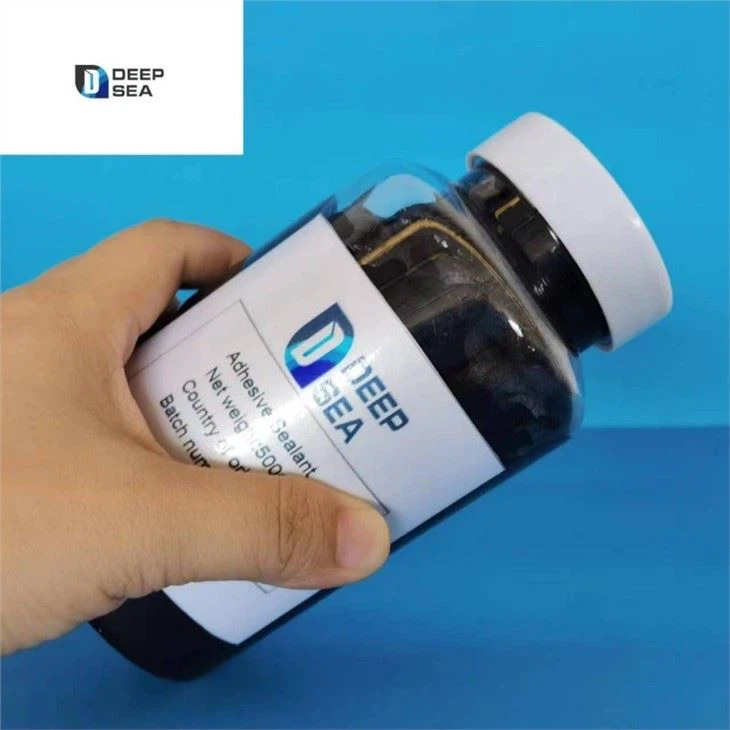

Now, it's time to apply the silicone sealant. You can use a caulking gun to apply the sealant in a smooth, continuous bead along the edge of the glass. Be sure to apply the sealant evenly and avoid creating any air bubbles or gaps.
After applying the sealant, use a tool, such as a putty knife or a caulking tool, to smooth out the sealant and remove any excess. You can also use a damp cloth to wipe away any sealant that gets on the glass surface.
Once the sealant has been applied and smoothed out, allow it to dry and cure according to the manufacturer's instructions. This typically takes anywhere from 24 to 48 hours, depending on the type of sealant and the environmental conditions.
During the drying and curing process, it is important to avoid touching or disturbing the sealant. This can cause the sealant to crack or peel, which can compromise the integrity of the seal.
Once the sealant has fully cured, you can remove the masking tape and enjoy your newly sealed glass.
In addition to the tips and tricks mentioned above, here are some additional things to keep in mind when using silicone sealant on glass:
- Choose the right color: Silicone sealant is available in a variety of colors, so you can choose a color that matches the glass or the surrounding surfaces. This can help to create a more seamless and professional-looking finish.
- Use a primer: In some cases, it may be necessary to use a primer on the glass surface before applying the sealant. This can help to improve the adhesion of the sealant and ensure a more durable seal.
- Follow the manufacturer's instructions: Always read and follow the manufacturer's instructions carefully when using silicone sealant. This will help to ensure that you are using the sealant correctly and safely.
- Test the sealant: Before applying the sealant to the entire glass surface, it is a good idea to test the sealant on a small, inconspicuous area to make sure that it adheres properly and does not cause any damage to the glass.
In conclusion, silicone sealant is a great choice for sealing glass in a variety of applications. Whether you are sealing a window, a door, an aquarium, or a shower enclosure, silicone sealant can provide a watertight and airtight seal that will help to protect your glass and keep it looking great for years to come.
If you have any questions or need help choosing the right silicone sealant for your project, please don't hesitate to contact me. I'm here to help you find the perfect solution for your needs.
References:
- Silicone Sealant Manufacturer's Guidelines
- Glass Installation and Maintenance Best Practices
