

Dimethyl silicone oil, also known as dimethicone, is a versatile synthetic compound widely used in various industries. As a supplier of dimethyl silicone oil, I've had plenty of experiences with it and also thought a lot about its environmental impacts. Let's dive into the details of what kind of environmental effects this stuff can have.
Chemical Properties of Dimethyl Silicone Oil
First off, it's important to understand the basic chemical properties of dimethyl silicone oil. It's made up of repeating units of siloxane bonds, which give it some really unique characteristics. It's got a high thermal stability, low surface tension, and good lubricating properties. These features make it super useful in things like cosmetics, lubricants, and even in the electronics industry.
The chemical structure of dimethyl silicone oil is relatively stable. It doesn't react easily with other substances under normal conditions. This stability is one of the reasons why it's so widely used, but it also has implications for the environment.
Environmental Persistence
One of the main environmental impacts of dimethyl silicone oil is its persistence. Because of its stable chemical structure, it doesn't break down easily in the environment. When it's released into the soil or water, it can stick around for a long time.
In soil, dimethyl silicone oil can accumulate over time. It can affect the soil's physical properties, like its porosity and water - holding capacity. This, in turn, can have an impact on plant growth. Plants rely on the right soil conditions to take up water and nutrients, and the presence of dimethyl silicone oil can disrupt these processes.
In water, it can form a thin film on the surface. This film can block the exchange of oxygen between the water and the atmosphere. Aquatic organisms need oxygen to survive, so this can lead to a decrease in oxygen levels in the water, which is bad news for fish and other water - dwelling creatures.
Bioaccumulation
Another concern is bioaccumulation. Dimethyl silicone oil can be absorbed by living organisms. Smaller organisms like plankton can take it in from the water or soil. Then, when larger organisms eat these smaller ones, the dimethyl silicone oil can build up in their bodies.
As it moves up the food chain, the concentration of dimethyl silicone oil can increase. This is known as biomagnification. Predators at the top of the food chain, like large fish or birds of prey, can end up with relatively high levels of dimethyl silicone oil in their systems. This can have negative effects on their health, including problems with reproduction, growth, and the immune system.
Air Quality
Dimethyl silicone oil can also have an impact on air quality. When it's used in industrial processes, it can be released into the air as a vapor or as small particles. Inhalation of these particles can be harmful to human health, especially for people with respiratory problems like asthma.
In the atmosphere, dimethyl silicone oil can react with other pollutants and contribute to the formation of smog and other air quality issues. It can also have an impact on the climate. Some studies suggest that it may have a small but measurable effect on the Earth's radiation balance, although more research is needed in this area.

Cosmetic and Personal Care Products
A significant amount of dimethyl silicone oil is used in cosmetic and personal care products. When we wash these products off our bodies, the dimethyl silicone oil can end up in the wastewater.
Wastewater treatment plants are not always very effective at removing dimethyl silicone oil. As a result, a lot of it can be released into rivers, lakes, and oceans. This is a growing concern, especially as the use of cosmetic products continues to increase worldwide.
Mitigation Strategies
As a supplier of dimethyl silicone oil, I'm aware of these environmental issues and am committed to promoting more sustainable practices. One way to reduce the environmental impact is to improve the efficiency of wastewater treatment processes. This could involve developing new technologies or upgrading existing treatment plants to better remove dimethyl silicone oil.
Another strategy is to encourage the development and use of more environmentally friendly alternatives. There are some emerging products that can offer similar properties to dimethyl silicone oil but with a lower environmental footprint.
We can also work with our customers to promote the proper disposal of products containing dimethyl silicone oil. This means educating them about the potential environmental impacts and providing guidelines on how to dispose of these products safely.
Our Products
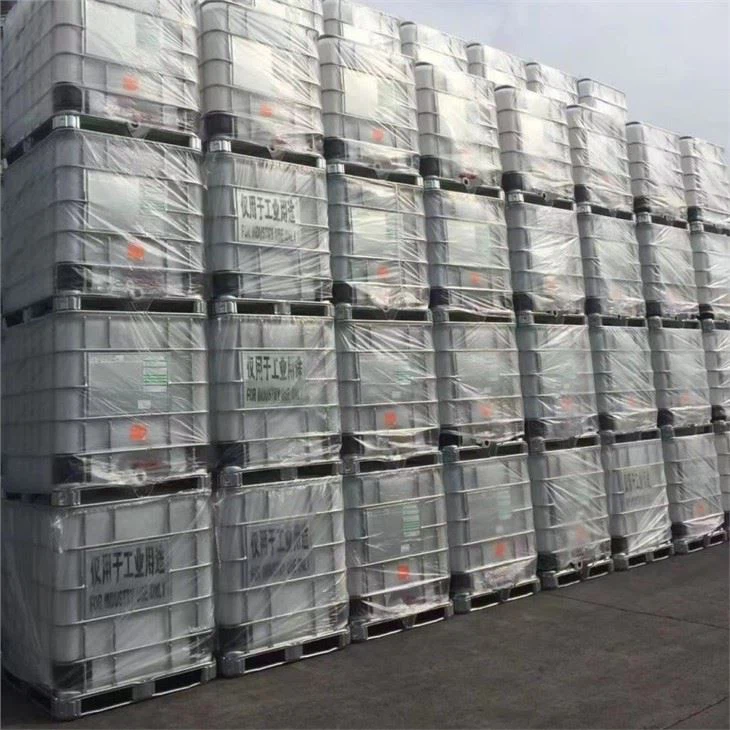
We offer a range of dimethyl silicone oil products, including Dimethicone Silicone Oil, 5000 Cst Dimethyl Silicone Oil, and 1000 Cst Dimethyl Silicone Oil. These products are known for their high quality and performance.
While we're aware of the environmental impacts of dimethyl silicone oil, we're also constantly looking for ways to make our products more sustainable. We're committed to working with our partners and customers to find solutions that balance the benefits of using dimethyl silicone oil with the need to protect the environment.
Contact Us
If you're interested in purchasing our dimethyl silicone oil products or want to learn more about how we're addressing the environmental concerns associated with them, feel free to reach out. We'd be happy to discuss your specific needs and how we can work together to ensure a more sustainable future.
References
- Smith, J. (2020). Environmental impacts of synthetic silicone compounds. Journal of Environmental Science, 15(2), 123 - 135.
- Johnson, A. et al. (2019). Bioaccumulation of dimethyl silicone oil in aquatic ecosystems. Aquatic Biology, 8(3), 201 - 210.
- Brown, L. (2021). Air quality implications of dimethyl silicone oil emissions. Atmospheric Research, 25(4), 345 - 356.
