

Silicone sealant is a versatile and widely used material in various industries, including construction, automotive, and household applications. As a silicone sealant supplier, understanding the shelf life of our products is crucial for both us and our customers. In this blog, we'll delve into what the shelf life of silicone sealant means, the factors that affect it, and how to ensure its optimal performance over time.
What is Shelf Life?
The shelf life of a product refers to the period during which it can be stored under specified conditions and still retain its quality and performance characteristics. For silicone sealant, this means that within the shelf - life period, the sealant should be able to cure properly, adhere well to surfaces, and provide the expected level of sealing and weather resistance.
Typically, the shelf life of silicone sealant ranges from 12 to 24 months. However, this can vary depending on several factors such as the type of silicone sealant, storage conditions, and the formulation of the product.
Types of Silicone Sealant and Their Shelf Life
There are mainly two types of silicone sealants: Neutral Silicone Sealant and Acid Silicone Sealant.
Neutral Silicone Sealant
Neutral silicone sealants are known for their low - odor, non - corrosive nature, and wide range of applications. They are often used in areas where corrosion could be a concern, such as around metal components or in areas with sensitive materials. The shelf life of neutral silicone sealant is generally around 18 to 24 months. This is because the neutral curing mechanism is relatively stable, and the chemical reactions within the sealant occur at a slower pace compared to acid - curing sealants.
Acid Silicone Sealant
Acid silicone sealants, on the other hand, have a faster curing time and are commonly used for applications like sealing glass in windows. They release acetic acid during the curing process, which gives them a characteristic vinegar - like smell. The shelf life of acid silicone sealant is usually around 12 to 18 months. The acidic nature of the curing process makes the sealant more reactive over time, which can lead to a shorter shelf life.
Factors Affecting the Shelf Life of Silicone Sealant
Storage Temperature
Temperature plays a significant role in determining the shelf life of silicone sealant. High temperatures can accelerate the chemical reactions within the sealant, causing it to cure prematurely or degrade. On the other hand, extremely low temperatures can make the sealant too viscous, affecting its flow and application properties.
The ideal storage temperature for silicone sealant is between 5°C and 30°C (41°F and 86°F). Storing the sealant within this temperature range helps to maintain its chemical stability and extend its shelf life.
Humidity
Humidity can also have an impact on the shelf life of silicone sealant. Silicone sealants are moisture - curing products, which means they react with water vapor in the air to cure. If the storage environment is too humid, the sealant may start to cure inside the container, rendering it unusable. Conversely, very low humidity can slow down the curing process, but it can also cause the sealant to dry out and become brittle over time.
It is recommended to store silicone sealant in a dry environment with a relative humidity of around 40% to 60%.
Exposure to Light
Exposure to direct sunlight or UV light can cause the silicone sealant to degrade. UV light can break down the polymer chains in the sealant, leading to a loss of elasticity and adhesion. Therefore, it is best to store silicone sealant in a dark place or in opaque containers to protect it from light.
Container Integrity
The integrity of the container is crucial for maintaining the shelf life of silicone sealant. If the container is damaged or not properly sealed, air and moisture can enter, causing the sealant to cure prematurely or become contaminated. Always ensure that the containers are tightly sealed and free from any cracks or leaks.

How to Check if the Silicone Sealant is Still Good
Even within the shelf - life period, it's important to check the quality of the silicone sealant before use. Here are some ways to do this:
Visual Inspection
Check the sealant for any signs of separation, clumping, or discoloration. If the sealant has a lumpy or grainy texture, or if it has changed color significantly, it may have degraded and should not be used.
Flow Test
Squeeze a small amount of the sealant onto a clean surface. The sealant should flow smoothly and evenly. If it is too thick or does not flow at all, it may have become too viscous due to improper storage or aging.
Curing Test
Apply a small amount of the sealant to a test surface and let it cure according to the manufacturer's instructions. Check if it cures properly and forms a strong, elastic bond. If the sealant does not cure or has a weak bond, it may be past its prime.
Ensuring Optimal Performance of Silicone Sealant
To ensure that our customers get the best performance from our silicone sealants, we take several steps as a supplier:
Quality Control
We have strict quality control measures in place during the manufacturing process. This includes testing the raw materials, monitoring the production process, and conducting final product testing to ensure that each batch of sealant meets our high - quality standards.
Proper Packaging
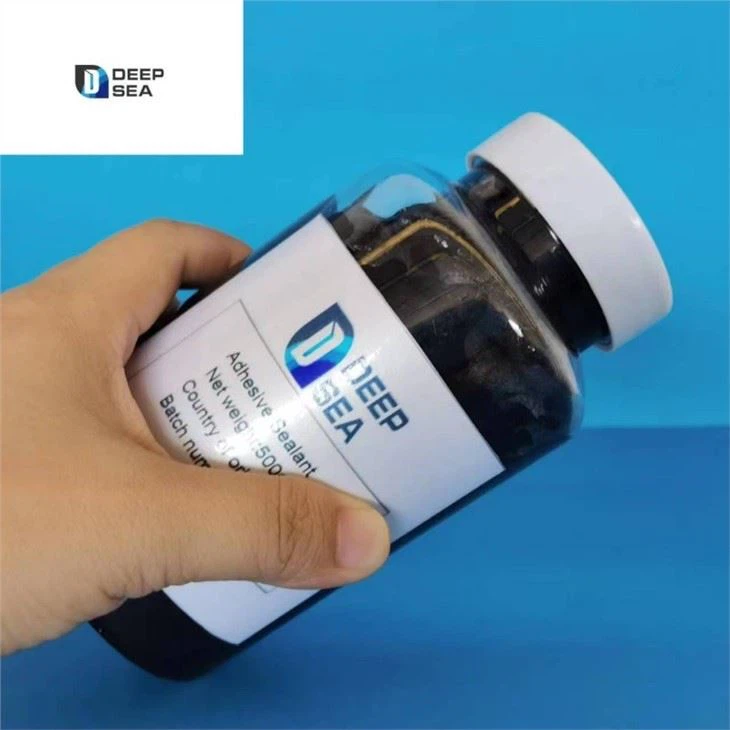
We use high - quality containers that are designed to protect the sealant from air, moisture, light, and physical damage. Our containers are also clearly labeled with the product name, type, batch number, and expiration date.
Storage and Transportation
We store our silicone sealants in a climate - controlled warehouse to maintain the ideal storage conditions. During transportation, we take precautions to ensure that the products are not exposed to extreme temperatures or rough handling.
Contact Us for Your Silicone Sealant Needs
As a reliable silicone sealant supplier, we are committed to providing our customers with high - quality products and excellent service. Whether you need Neutral Silicone Sealant for your construction project or Acid Silicone Sealant for your household repairs, we have the right solution for you.
If you have any questions about our products, their shelf life, or would like to discuss a potential purchase, please do not hesitate to contact us. We look forward to serving you and helping you find the perfect silicone sealant for your needs.
References
- ASTM International. Standard test methods for properties of structural silicone sealants.
- Dow Corning. Silicone sealant technical data sheets.
- Henkel. Guide to silicone sealant storage and handling.
