

Silicone rubber is a versatile material widely used in various industries due to its excellent properties such as high and low - temperature resistance, chemical stability, and electrical insulation. One of the crucial mechanical properties of silicone rubber is its tear strength. In this blog, as a silicone rubber supplier, I will delve into what tear strength of silicone rubber is, why it matters, and how it is measured.
What is Tear Strength?
Tear strength refers to the ability of a material to resist the growth of a cut or notch when a tensile force is applied. In the context of silicone rubber, it is the force required to continue tearing a pre - cut specimen under specified test conditions. This property is essential because in many real - world applications, silicone rubber components may encounter sharp objects or edges that can create cuts or notches. If the tear strength is low, these cuts can quickly propagate, leading to the failure of the component.
For example, in the automotive industry, silicone rubber gaskets are used to seal engine components. These gaskets may be exposed to vibrations, temperature changes, and occasional mechanical impacts. A cut or notch can form during installation or operation. If the tear strength of the silicone rubber is insufficient, the gasket may tear, causing leaks and potentially damaging the engine.
Factors Affecting Tear Strength of Silicone Rubber
Polymer Structure
The molecular structure of the silicone polymer plays a significant role in determining tear strength. Longer polymer chains generally result in higher tear strength. This is because longer chains can entangle more effectively, providing more resistance to the propagation of a tear. Additionally, the cross - linking density of the silicone rubber is crucial. A proper cross - linking density ensures that the polymer network can distribute stress evenly, enhancing tear resistance. However, if the cross - linking density is too high, the material may become brittle, reducing its tear strength.
Filler Type and Content
Fillers are often added to silicone rubber to improve its mechanical properties. Reinforcing fillers such as fumed silica can significantly enhance tear strength. The filler particles interact with the silicone polymer chains, creating a stronger composite material. The size, shape, and surface area of the filler particles also affect tear strength. Smaller particles with a high surface area tend to provide better reinforcement. However, excessive filler content can lead to agglomeration, which may reduce tear strength instead.
Additives
Some additives can be used to improve the tear strength of silicone rubber. For example, certain plasticizers can increase the flexibility of the material, which in turn can enhance tear resistance. Anti - oxidants and UV stabilizers can also help maintain tear strength over time by preventing degradation of the silicone rubber due to environmental factors such as heat, oxygen, and sunlight.
Measuring Tear Strength of Silicone Rubber
There are several standard test methods for measuring the tear strength of silicone rubber. One of the most commonly used methods is the ASTM D624 standard. In this test, a dumbbell - shaped or crescent - shaped specimen with a pre - cut notch is prepared. The specimen is then pulled at a constant rate using a tensile testing machine until it tears completely. The maximum force required to tear the specimen is recorded, and the tear strength is calculated as the force per unit thickness of the specimen.
The test conditions, such as the pulling speed and the temperature, can also affect the measured tear strength. Generally, a higher pulling speed may result in a higher measured tear strength, as the material has less time to deform and relax. Temperature also plays a role, as silicone rubber becomes more flexible at higher temperatures, which can affect its tear resistance.
Different Types of Silicone Rubber and Their Tear Strength
RTV Silicone Rubber
RTV Silicone Rubber (Room - Temperature - Vulcanizing silicone rubber) is a type of silicone rubber that can cure at room temperature. It is widely used in applications such as sealants, adhesives, and potting compounds. The tear strength of RTV silicone rubber can vary depending on its formulation. Some RTV silicone rubbers are formulated for high - tear - strength applications, such as those used in the manufacture of molds. These high - tear - strength RTV silicones can have tear strengths ranging from 20 to 50 N/mm.
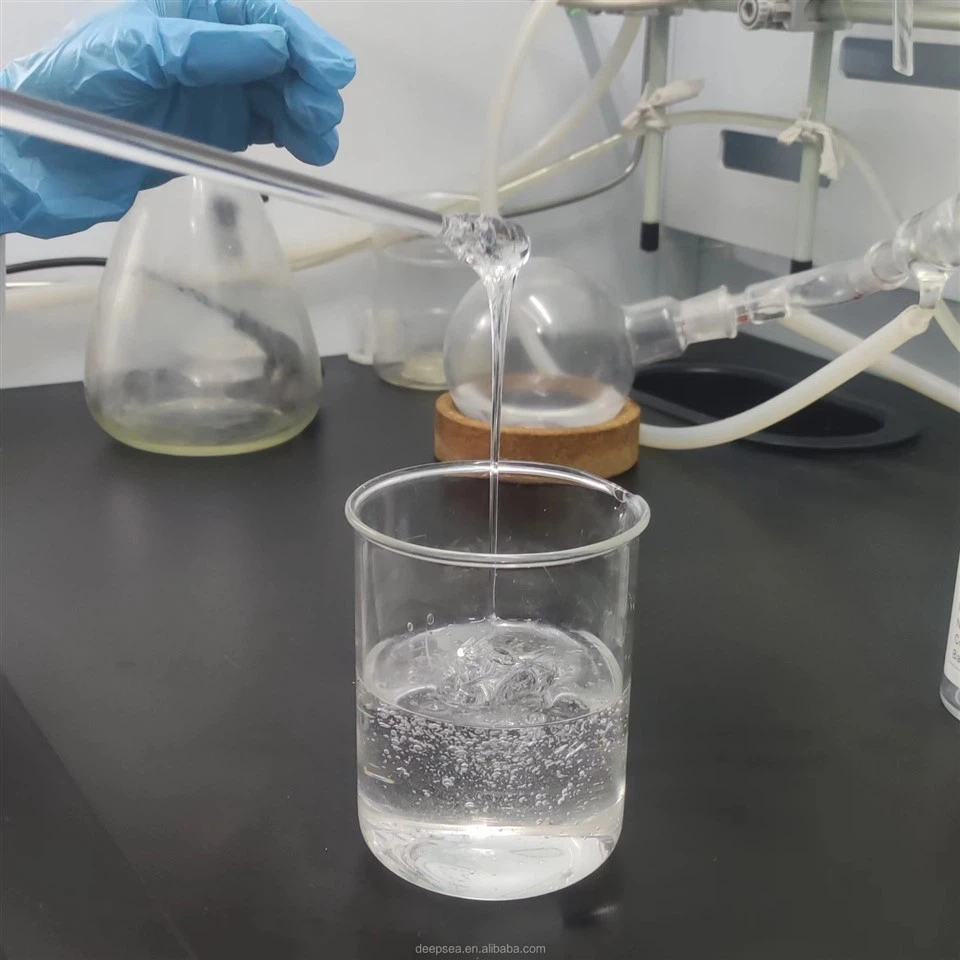
Rtv Silicone Rubber Liquid
Rtv Silicone Rubber Liquid is a form of RTV silicone rubber that is in a liquid state before curing. It is often used for casting and encapsulation. The tear strength of cured Rtv Silicone Rubber Liquid can be adjusted by changing the formulation. For example, by adding appropriate fillers and adjusting the cross - linking density, the tear strength can be optimized for specific applications.
HTV Silicone Rubber
HTV Silicone Rubber (High - Temperature - Vulcanizing silicone rubber) is cured at high temperatures. It is known for its excellent mechanical properties, including high tear strength. HTV silicone rubber is commonly used in applications that require high - performance materials, such as aerospace components and industrial seals. The tear strength of HTV silicone rubber can be quite high, often exceeding 50 N/mm, depending on the formulation and processing conditions.
Importance of Tear Strength in Different Applications
Medical Applications
In the medical field, silicone rubber is used in various devices such as catheters, prosthetics, and seals for medical equipment. These devices may come into contact with body tissues and fluids, and they need to have sufficient tear strength to ensure long - term reliability. For example, a catheter made of silicone rubber with low tear strength may tear during insertion or use, causing injury to the patient.
Electrical Applications
Silicone rubber is widely used in electrical insulation applications. It is used to make cables, connectors, and insulators. In these applications, tear strength is important to prevent damage to the insulation layer. A tear in the insulation can expose the electrical conductors, leading to short circuits and safety hazards.
How Our Company Ensures High Tear Strength in Silicone Rubber Products
As a silicone rubber supplier, we are committed to providing high - quality products with excellent tear strength. We carefully select the raw materials, including the silicone polymers, fillers, and additives. Our research and development team conducts extensive testing to optimize the formulation of our silicone rubber products.
We use advanced manufacturing processes to ensure proper cross - linking and uniform distribution of fillers. Our quality control department performs strict inspections at every stage of production, including testing the tear strength of the finished products using standard test methods. This ensures that our silicone rubber products meet or exceed the industry standards in terms of tear strength.
Contact Us for Your Silicone Rubber Needs
If you are looking for silicone rubber products with high tear strength for your specific applications, we would be delighted to assist you. Whether you need RTV silicone rubber, Rtv Silicone Rubber Liquid, or HTV silicone rubber, we have a wide range of products to choose from. Our experienced sales team can provide you with detailed product information and technical support. Please feel free to contact us to discuss your requirements and start a procurement negotiation. We are confident that we can provide you with the best silicone rubber solutions.
References
- ASTM D624 - Standard Test Methods for Tear Strength of Conventional Vulcanized Rubber and Thermoplastic Elastomers.
- "Silicone Elastomers: Science and Technology" by Michael A. Brook.
- Research papers on silicone rubber mechanical properties from various academic journals.
