

Magic Silicone Oil Paper: Characteristics, Applications and Scientific Principles
Silicone oil paper, also known as baking paper and anti-stick paper, is a specially treated high temperature resistant and anti-stick kitchen paper. Its "magic" does not come from real magic, but from the ingenious combination of material science and chemical engineering. This article will deeply analyze the composition, manufacturing process, application scenarios and environmental considerations of silicone oil paper.
The core material and structure of silicone oil paper
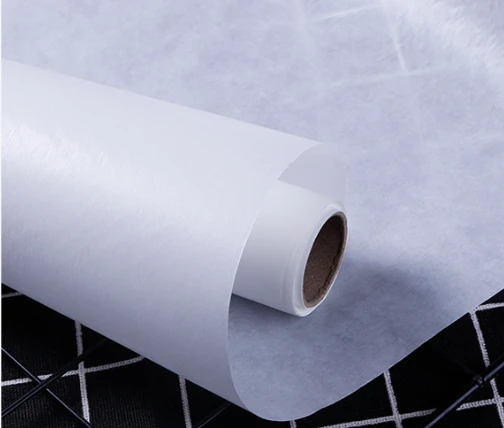
The basic material of silicone oil paper is base paper, usually high-purity wood pulp paper or kraft paper to ensure stability at high temperatures. The key to its "magic" lies in a layer of food-grade silicone oil (polydimethylsiloxane, PDMS) coated on the surface. Silicone oil has extremely low surface energy, making it difficult for liquids such as water and grease to penetrate, thereby achieving an anti-sticking effect. In addition, some high-end silicone oil papers will also add a small amount of reinforcing agents (such as quartz powder) to improve heat resistance.
Manufacturing process: how to give paper "magic"
The production of silicone oil paper mainly includes the following steps:
Pretreatment of base paper: the base paper needs to be bleached and strengthened to ensure that it is not easy to crack at high temperatures.
Silicone oil coating: liquid silicone oil is evenly covered on the surface of the paper through dipping or spraying process.
Curing treatment: the silicone oil is cross-linked and cured in a high-temperature oven (about 150-200°C) to form a stable anti-sticking layer.
Slitting and packaging: cut into rolls or sheets according to needs, and carry out food-grade packaging.
The "magic" properties of silicone oil paper
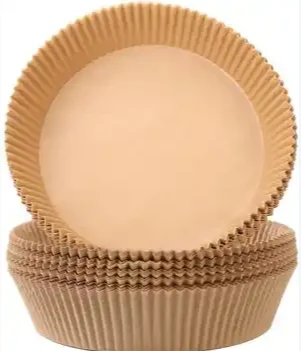
High temperature resistance (-40°C~220°C): suitable for high temperature cooking environments such as ovens and air fryers.
Anti-stickiness: Food is not easy to stick, easy to demould, and reduce the use of grease.
Waterproof and oil-proof: Liquids are difficult to penetrate, keeping the baking tray clean.
Chemical inertness: The silicone oil layer does not react with food and meets food contact safety standards (such as FDA, EU 10/2011).
Application scenarios: more than just baking
Silicone paper was originally used for baking (such as cookies and cake demoulding), but now has a wider range of applications:
Cooking: wrapping fish and meat for baking to prevent sticking.
Packaging: used for anti-stick isolation of chocolate and candy.
Industrial use: Anti-stick paper with similar technology is also used in the production of some electronic components and tapes.
Environmental challenges and future trends
The durability of silicone oil paper makes it difficult to degrade naturally, and incineration may produce silica residues. Currently, the industry is exploring the following solutions:
Degradable silicone oil coating: research and development based on bio-based silicone oil or hydrolyzable materials.
Silicone oil-free alternatives: such as PTFE (Teflon) coated paper, but the cost is higher.
Recycling technology improvement: chemical dissolution to separate the silicone oil layer to achieve paper recycling.
The "magic" of silicone oil paper is essentially a masterpiece of material science. While it facilitates life, it also brings environmental challenges. In the future, with the development of green chemistry, more sustainable anti-stick materials may replace traditional silicone oil paper, making the "magic" more environmentally friendly.


