

What is silicone three anti coating is a special protective coating with silicone resin as the main component. It is widely used in electronics, aerospace, automobile, military and other fields. It provides comprehensive protection functions such as moisture-proof, salt spray-proof and mildew-proof (referred to as "three-proof") for the substrate by forming an elastic protective film. Its unique chemical structure and physical properties make it a key material for the stable operation of precision devices in harsh environments.
1. Core ingredients and characteristics
Silicon resin substrate
With silicon-oxygen bond (Si-O) as the main chain and organic groups (such as methyl and phenyl) connected to the side chain, it has both the heat resistance of inorganic materials (-50℃~200℃) and the flexibility of organic materials. Compared with acrylic or polyurethane conformal coatings, silicone type is more resistant to high temperatures and is not easy to yellow.
Modified additives
Fillers: such as silica to enhance wear resistance;
Crosslinking agents: promote room temperature curing or thermal curing;
Additives: leveling agents improve coating effects, coupling agents enhance adhesion.
2. Core protection function
Moisture-proof and moisture-proof
After curing, a hydrophobic film is formed with a contact angle of >100°, which effectively blocks water vapor penetration and prevents short circuits of circuit boards due to condensation (such as marine climate or high humidity environment).
Anti-salt spray corrosion
The inertness of silicone resin can resist corrosion from corrosive ions such as Cl⁻, and it has passed the ASTM B117 standard test and is suitable for coastal or chemical equipment.
Anti-mold insulation
Anti-bacterial agents are added to inhibit mold growth, and at the same time, it has a high volume resistivity (>10¹⁵Ω·cm) to ensure the insulation safety of electronic components.
3. Typical application scenarios
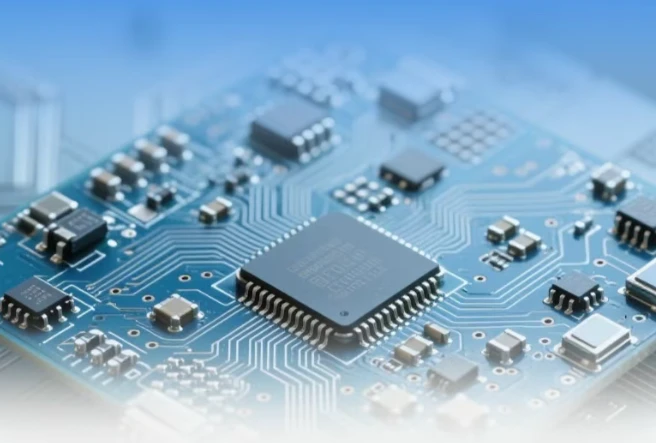
Electronic products: PCB boards, sensors, LED driver modules;
Automotive electronics: ECU control units, new energy battery packs;
Aerospace: anti-condensation of airborne equipment, anti-radiation aging of satellite components;
Industrial equipment: inverters, offshore wind power controllers.
4. Key points of construction process
Surface treatment: The substrate needs to be clean and dry, and oil and oxides must be removed;
Coating method: Spraying (high efficiency), brushing (local repair), dipping (complex structure);
Curing conditions: Curing at room temperature takes 24 to 48 hours, and heating at 80°C can shorten it to 1 hour;
Thickness control: Usually 25 to 75 μm, too thick can easily lead to stress cracking.
5. Advantages and limitations
Advantages: excellent weather resistance (good UV stability), elastic deformation ability (adapt to thermal expansion and contraction), low toxicity;
Limitations: weaker adhesion than epoxy resin, must be used with primer; higher cost (about 30% more expensive than acrylic type).
6. Environmental protection and safety
Modern silicone conformal coatings tend to be water-based, reduce VOC emissions, and comply with the RoHS directive. Ventilation protection is still required during operation to avoid inhalation of volatile substances.
With the increase in reliability requirements for 5G and IoT devices, innovations in silicone conformal coatings in thin layers, self-healing and other functions will become the direction of technological development.


